Skin health, explained
Science-backed guides on skincare ingredients, skin analysis, and building routines that work for your skin.
Skincare for Men: Where to Actually Start
Most skincare advice assumes you already know what a serum is. This does not. Three products, in order, and what each one is for.
Read article →
Why Your Face Burns After Shaving, and How to Stop It
Redness, stinging and small bumps after shaving are not something you have to accept. Most of it comes from three fixable habits.
Read article →
Still Getting Acne in Your 30s? Here Is Why
Acne after thirty is common, and it is not the same thing you had at fifteen. It also does not respond to the same treatment.
Read article →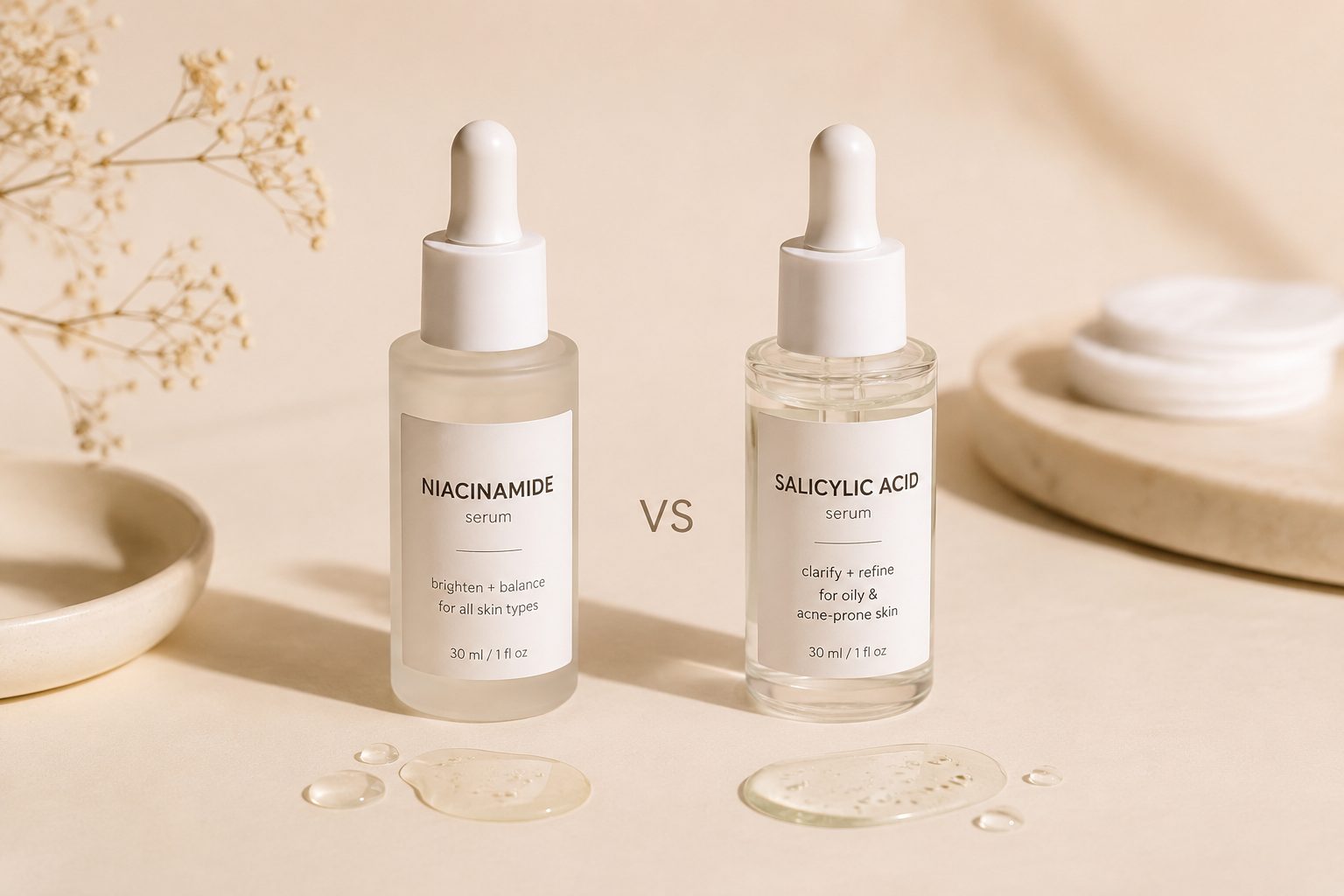
Oily Skin and Clogged Pores: The Short Version
Shiny by lunchtime, blackheads on the nose, pores you can see in the mirror. Here is what is actually happening and what changes it.
Read article →
How AI Skin Analysis Works: What Our App Actually Does
AI skincare apps sound futuristic, but most people just want to know one thing, does this actually help me, or is it marketing? Here is exactly what Skinalyze AI checks, how it builds a routine, what it cannot do, and the story behind why I built it.
Read article →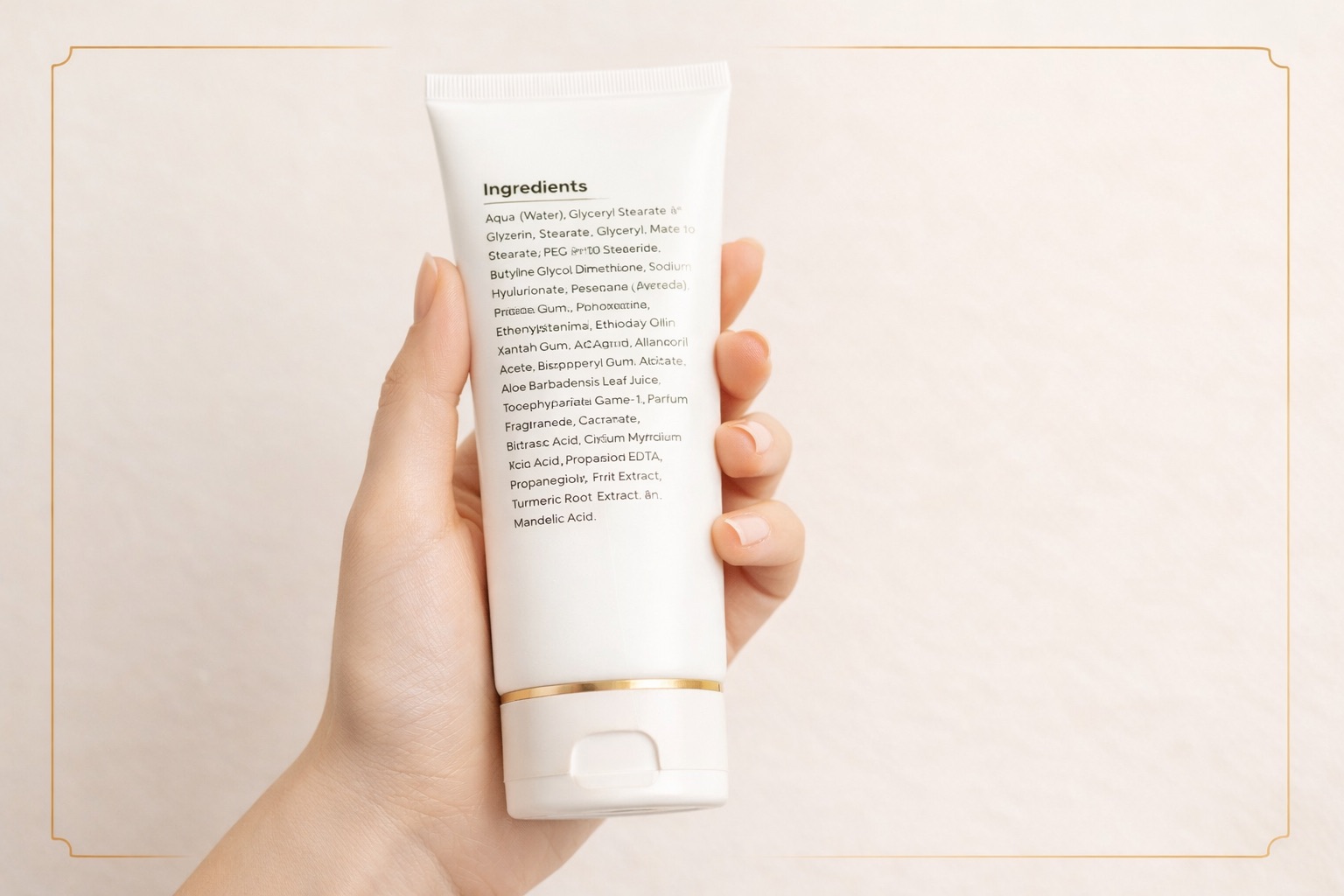
How to Read a Skincare Ingredients List
That wall of Latin words on the back of your moisturiser doesn't have to be a mystery. Once you understand a few simple rules, you'll know exactly what's in your products - and whether they're right for your skin.
Read article →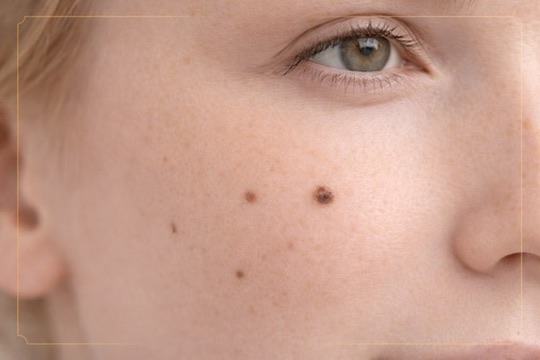
The ABCDE Rule for Moles: What to Watch For
The ABCDE framework is the gold standard for monitoring moles at home. Learn what each letter means and how to use it.
Read article →Oily vs Combination Skin: Key Differences
These two skin types are often confused - and using the wrong products for either can leave your skin worse off. Here's how to tell them apart and what each type actually needs.
Read article →
Damaged Skin Barrier: 9 Signs, Causes & How to Repair It
If your skin suddenly feels reactive, tight, or unpredictable, your barrier may be compromised. Here are the signs to watch for and a step-by-step recovery plan.
Read article →Best Ingredients for Sensitive Skin
Sensitive skin doesn't mean avoiding skincare - it means choosing ingredients that work with your skin rather than against it. Here are the ones with the strongest evidence.
Read article →Morning vs Evening Skincare Routine: What's the Difference?
Many people use the same products morning and evening. But your skin is doing fundamentally different things at different times of day - and your routine should reflect that.
Read article →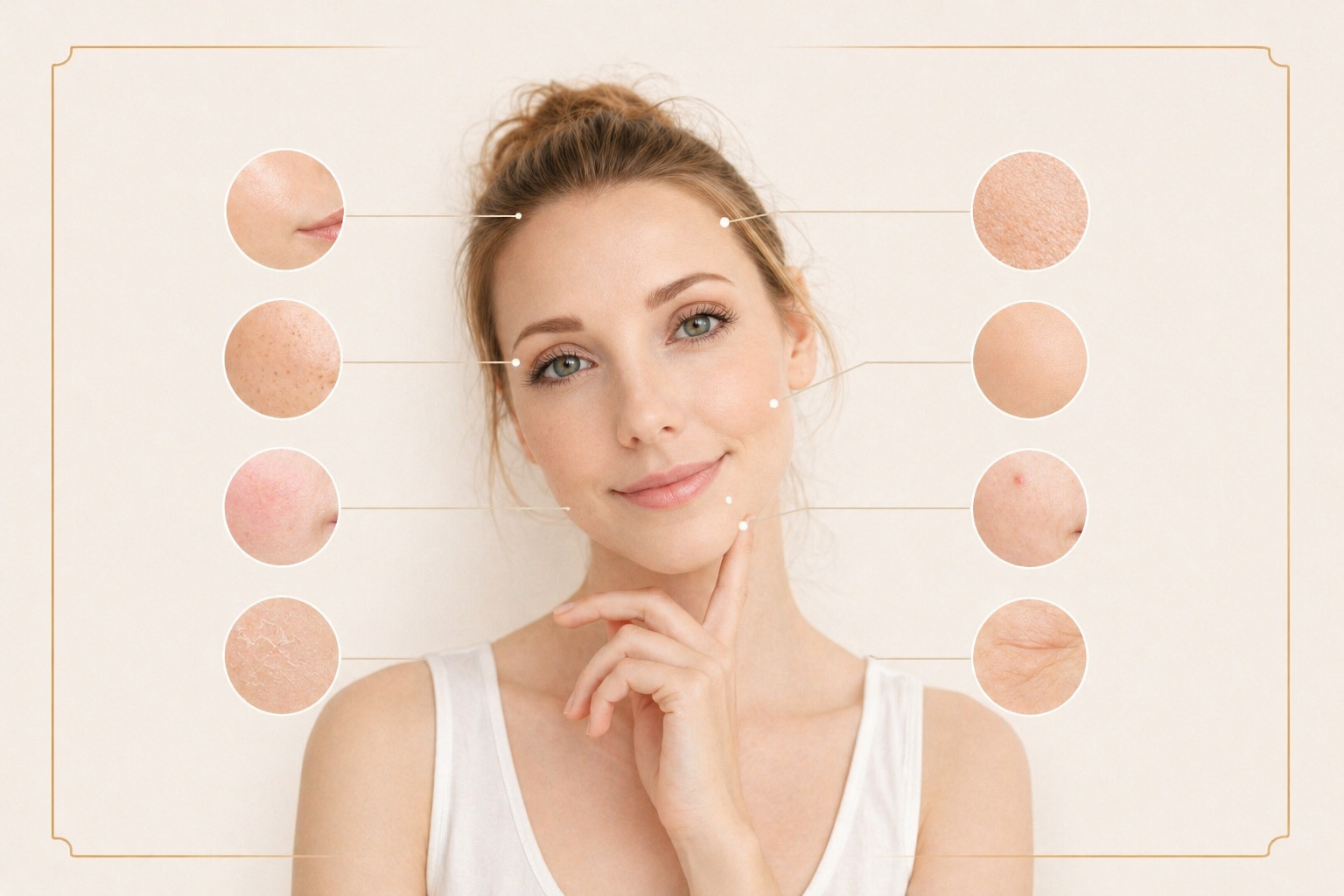
How to Determine Your Skin Type (The Right Way)
Most people guess their skin type based on how it looks after washing - and most people get it wrong. Misidentifying your skin type means using the wrong products, which makes almost every skin concern worse. Here's how to test accurately.
Read article →
Skincare Routine Order: What to Apply First
You can have all the right products and still get poor results if you're applying them in the wrong order. Layering sequence affects absorption, effectiveness, and how your skin actually feels throughout the day.
Read article →
Azelaic Acid: Benefits, Uses and Who It's For
Azelaic acid does things that most other actives can't - it treats acne and redness simultaneously, evens skin tone without sun sensitivity, and is one of the few actives safe during pregnancy. It's consistently underrated. Here's why dermatologists recommend it so often.
Read article →
PDRN Skincare: What It Is and Does It Actually Work?
PDRN - polydeoxyribonucleotide, derived from salmon DNA - went from clinic-only injectable to mainstream skincare in the space of two years. Here's what the science says, what topical products can realistically deliver, and who should actually use it.
Read article →
Snail Mucin: What It Does for Your Skin
Snail mucin has gone from obscure K-beauty ingredient to global bestseller - and for good reason. It's one of the most multi-functional ingredients in skincare, delivering hydration, repair, and brightening simultaneously. Here's what's actually in it.
Read article →
Hypochlorous Acid for Skin: What It Does and How to Use It
Hypochlorous acid sounds like a harsh chemical - but it's one of the gentlest antimicrobial ingredients in skincare, produced naturally by your own immune system. Dermatologists use it for post-procedure care, and it's quietly becoming one of the most versatile daily skin mists available.
Read article →
Collagen Patches: Do They Actually Work?
Collagen patches - from under-eye masks to full-face biocellulose sheets - have become one of the most talked-about skincare formats. The marketing promises plumping, firming, and wrinkle reduction. Here's what the science says and what you should actually expect.
Read article →
Milky Toner: What It Is and Why Your Skin Might Need One
Milky toners look like watered-down moisturisers - and that's essentially what they are. But the format solves a specific problem that regular toners and serums don't: delivering lightweight emollient hydration immediately after cleansing, before your skin has a chance to tighten.
Read article →
Best Sunscreen for Face: How to Choose the Right One
Sunscreen is the single most evidence-backed anti-aging product in skincare - but most people either skip it or use the wrong kind. The right facial sunscreen depends on your skin type, finish preference, and which UV filters are available where you live.
Read article →
Hyperpigmentation Treatment: What Actually Works
Dark spots, post-acne marks, melasma, sun damage - hyperpigmentation is one of the most searched skin concerns, and one of the most over-marketed. There are dozens of ingredients claiming to fade pigmentation. Only a handful have genuine evidence. Here's what works.
Read article →Niacinamide vs Salicylic Acid: Which One Should You Use?
Both target oily, acne-prone skin, but they work in completely different ways. If you are using an AI skin analysis app or trying to build a personalised skincare routine, the key question is not which ingredient is "better", but which one matches your visible skin concerns.
Read article →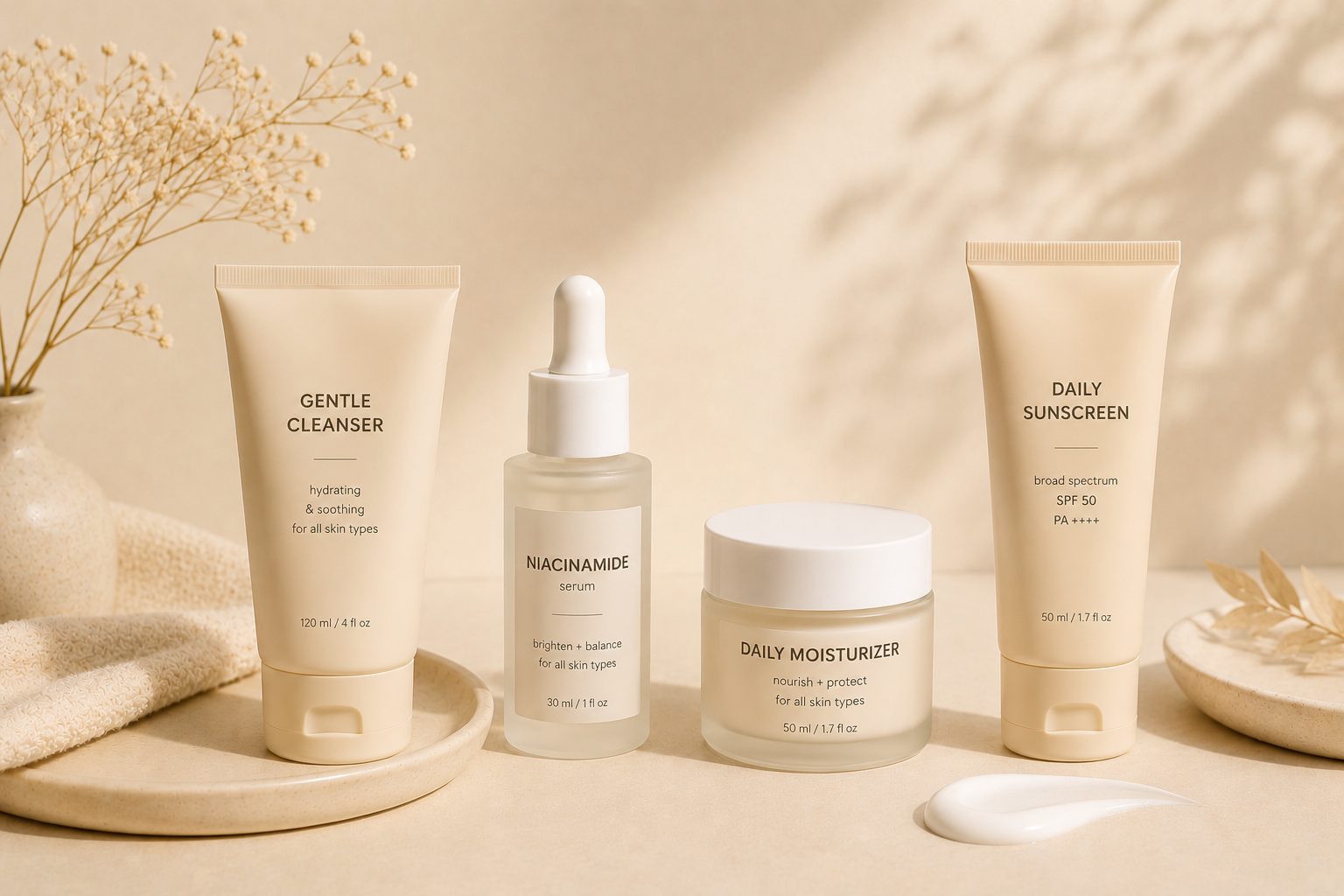
How to Layer Skincare: The Correct Order, Morning and Evening
Apply skincare from thinnest to thickest texture: cleanser, toner, serum, moisturiser, and SPF in the morning (or face oil in the evening). Wrong order is the most common reason expensive products do not work. Here is the exact sequence and why it matters.
Read article →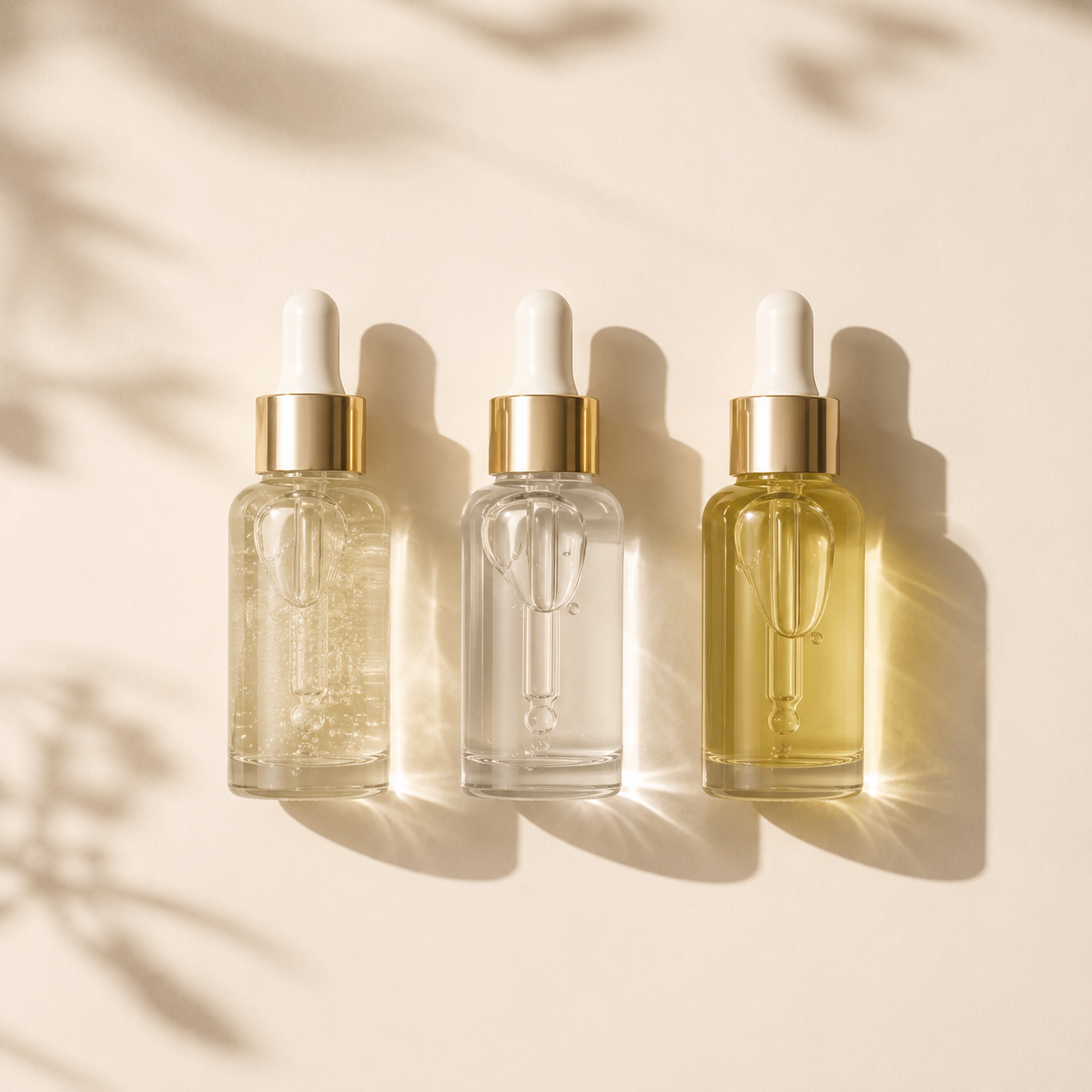
How to Layer Serums: The Correct Order and What Not to Mix
Apply serums from thinnest to thickest, water-based before oil-based, hydrating first, actives second. Most multi-serum routines fail not because the products are wrong, but because the order is. Here is the exact sequence for every common serum type, plus the four pairs you should never use together in the same step.
Read article →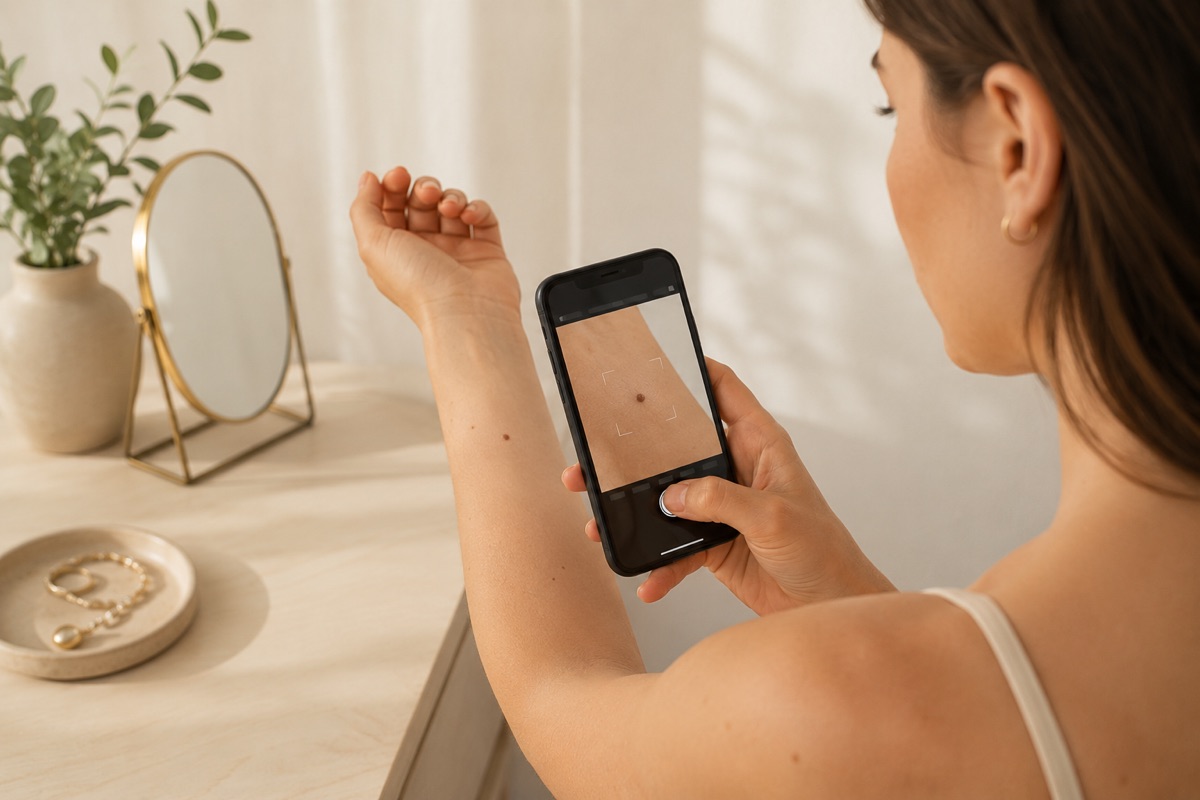
Is My Mole Changing? How to Track a Mole at Home with Photos
Noticing a mole and wondering if it has changed is unsettling, and the honest answer is that your memory is not reliable enough to tell. The most useful thing you can do at home is track it the same way every time, with photos. Here is exactly how to do that, what kind of change actually matters, and when it is worth booking a dermatologist.
Read article →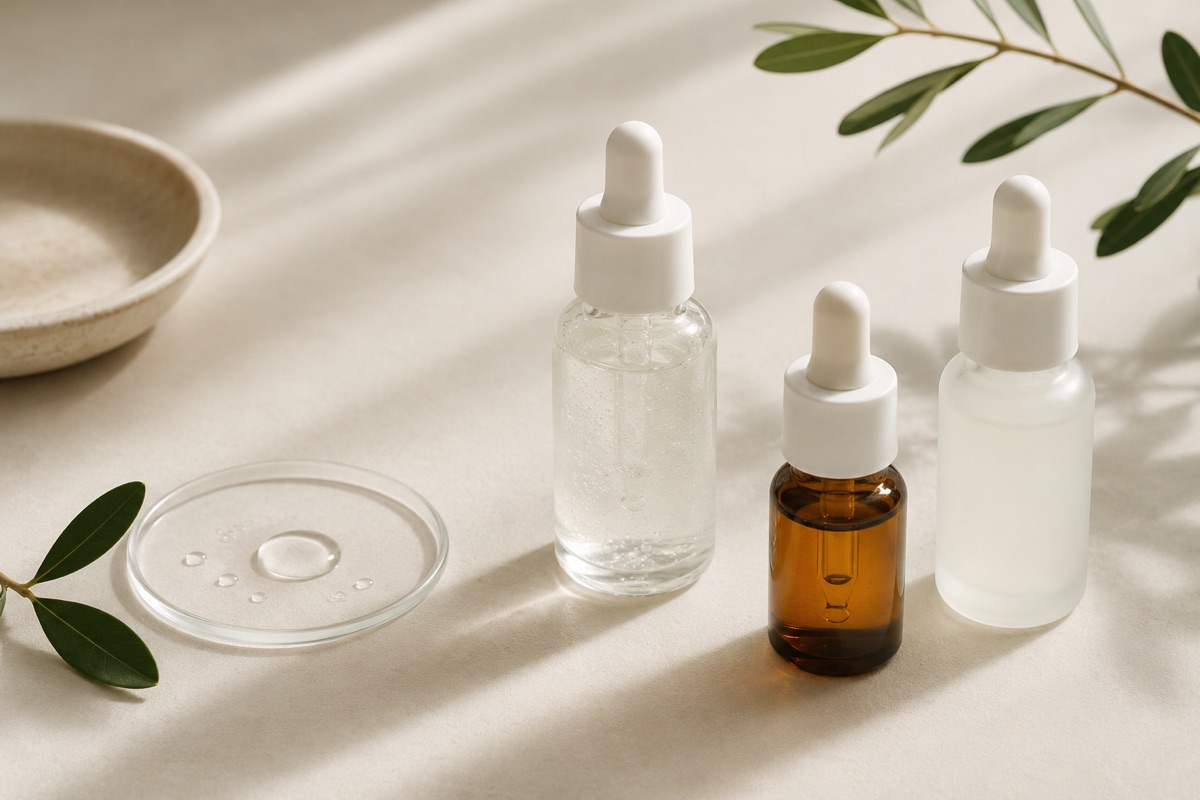
What Ingredients Does My Skin Need? A Simple Way to Decide
There is no universal "good" ingredient. The serum that transforms one person's skin does nothing for another, because the right ingredients depend on your skin type and your actual concerns. Here is a simple way to work out what your skin needs, without buying ten products to find out.
Read article →
Why Does My Skin Score Change? How to Read the Trend
You scanned your skin, got your score, then scanned again a week later, and the number moved. Is your skin really better or worse, or is something else going on? Here is what a skin score actually measures, why it naturally goes up and down, and how to read it the right way.
Read article →