What makes skin sensitive?
Sensitive skin is characterised by a lower threshold for irritation - it reacts to stimuli that wouldn't affect other skin types. This is usually due to a damaged skin barrier. The best ingredients either support the barrier, reduce inflammation, or provide soothing hydration.
The best ingredients to look for
Ceramides
Ceramides are lipid molecules that make up roughly 50% of the skin barrier's "mortar". Sensitive skin often has depleted ceramide levels. Products with ceramides (Ceramide NP, AP, EOP) actively rebuild the barrier and reduce reactivity over time.
Niacinamide (Vitamin B3)
At 2-5%, niacinamide reduces redness, strengthens the barrier, minimises pores, and regulates sebum - all without irritation. Suitable for almost all sensitive skin types.
Centella Asiatica (Cica)
A herb with centuries of use in wound healing. Its actives (madecassoside, asiaticoside) have excellent anti-inflammatory and barrier-repair properties. Particularly effective for redness.
Panthenol (Provitamin B5)
A deeply soothing humectant and emollient. Supports barrier function, has mild anti-inflammatory properties, and is exceptionally well-tolerated.
Glycerin
One of the safest and most effective humectants known. Attracts water to the skin without any sensitising potential.
Allantoin
A plant-derived ingredient with notable skin-soothing and healing properties. Softens skin, reduces irritation, and helps damaged skin recover.
Azelaic Acid (low concentration)
At 5-10%, treats redness and rosacea without the irritation of other actives. Anti-inflammatory, antimicrobial, and suitable for sensitive skin when used correctly.

When introducing any new ingredient, try it on a small area first (inner arm or behind the ear) for 48 hours before applying to your full face.
Ingredients to avoid
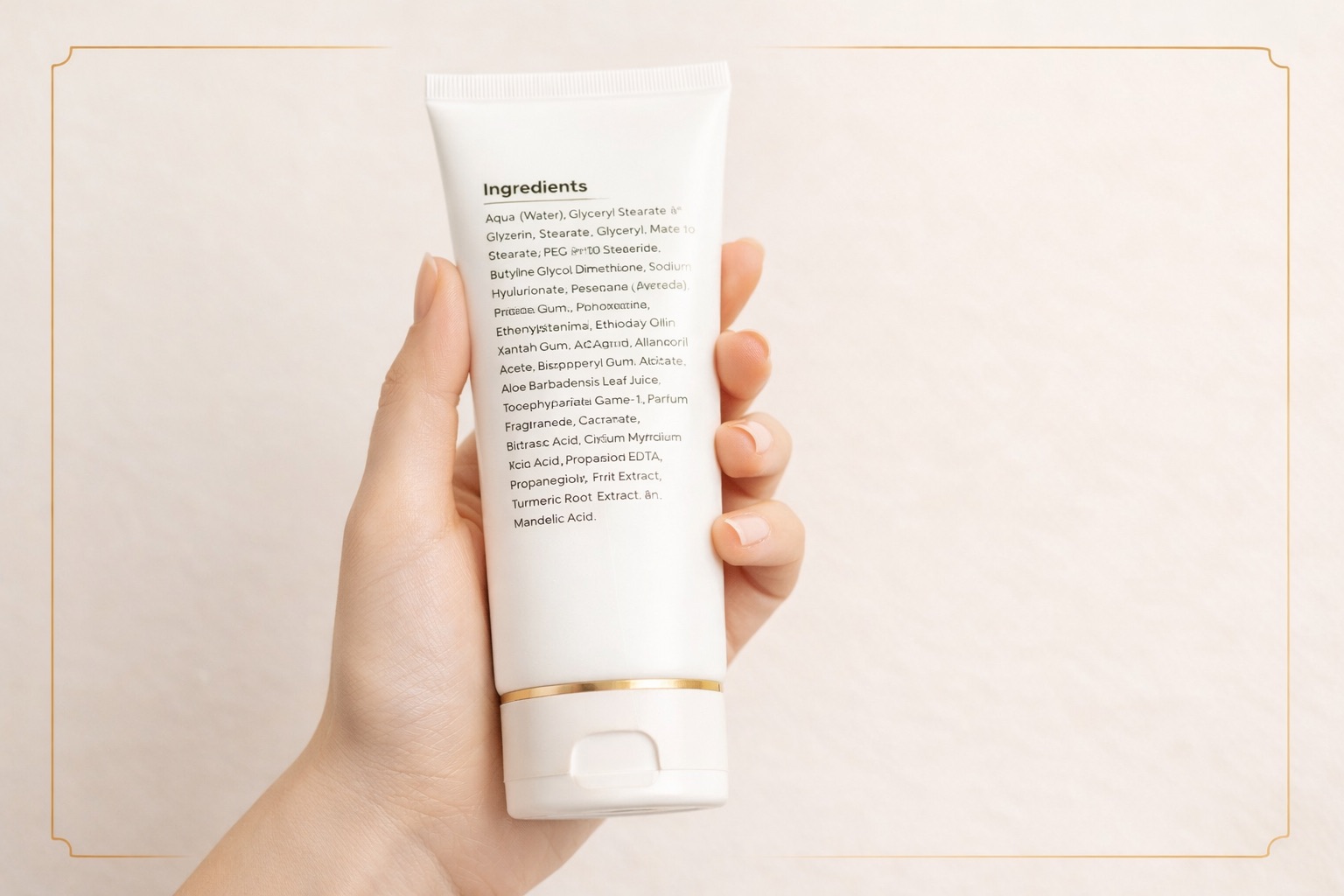
- Fragrance / Parfum - the most common cause of cosmetic contact dermatitis
- Essential oils - potent sensitisers despite being natural
- Alcohol Denat. - drying and irritating in high concentrations
- Physical exfoliants with sharp particles - create micro-tears and worsen sensitivity
Where to find these ingredients
Most of the ingredients above live in a small group of widely available, well-formulated products. The picks below are grouped by what they deliver, so you can match them to what your skin actually needs.
Ceramides plus hyaluronic acid (everyday gentle moisturiser)
Panthenol plus centella (calming balm for active irritation)
Low-strength niacinamide
Azelaic acid for redness
Some links above are affiliate links. As an Amazon Associate, Skinalyze AI earns from qualifying purchases at no extra cost to you. We only recommend products whose ingredient profile aligns with the science discussed above. Why we recommend these →