Your skin barrier is one of the most important parts of healthy-looking skin. When it is strong, your skin feels calm, hydrated and comfortable. When it is damaged, even a simple skincare routine can suddenly cause stinging, redness, dryness or breakouts.
A damaged skin barrier is often linked to over-exfoliation, harsh cleansers, strong actives, hot water, fragrance or using too many products at once. The good news is that in many cases, a simplified routine can help your skin feel more balanced again.
- Common signs: stinging, tightness, redness, flaking, rough texture, itching, or unusual breakouts.
- Fastest first step: stop strong actives such as retinol, exfoliating acids, strong vitamin C, and scrubs.
- Simple repair routine: gentle cleanser, barrier-supporting moisturiser, and SPF during the day.
- Recovery time: mild irritation may improve within days or weeks, while deeper barrier damage can take 4-8 weeks or longer.
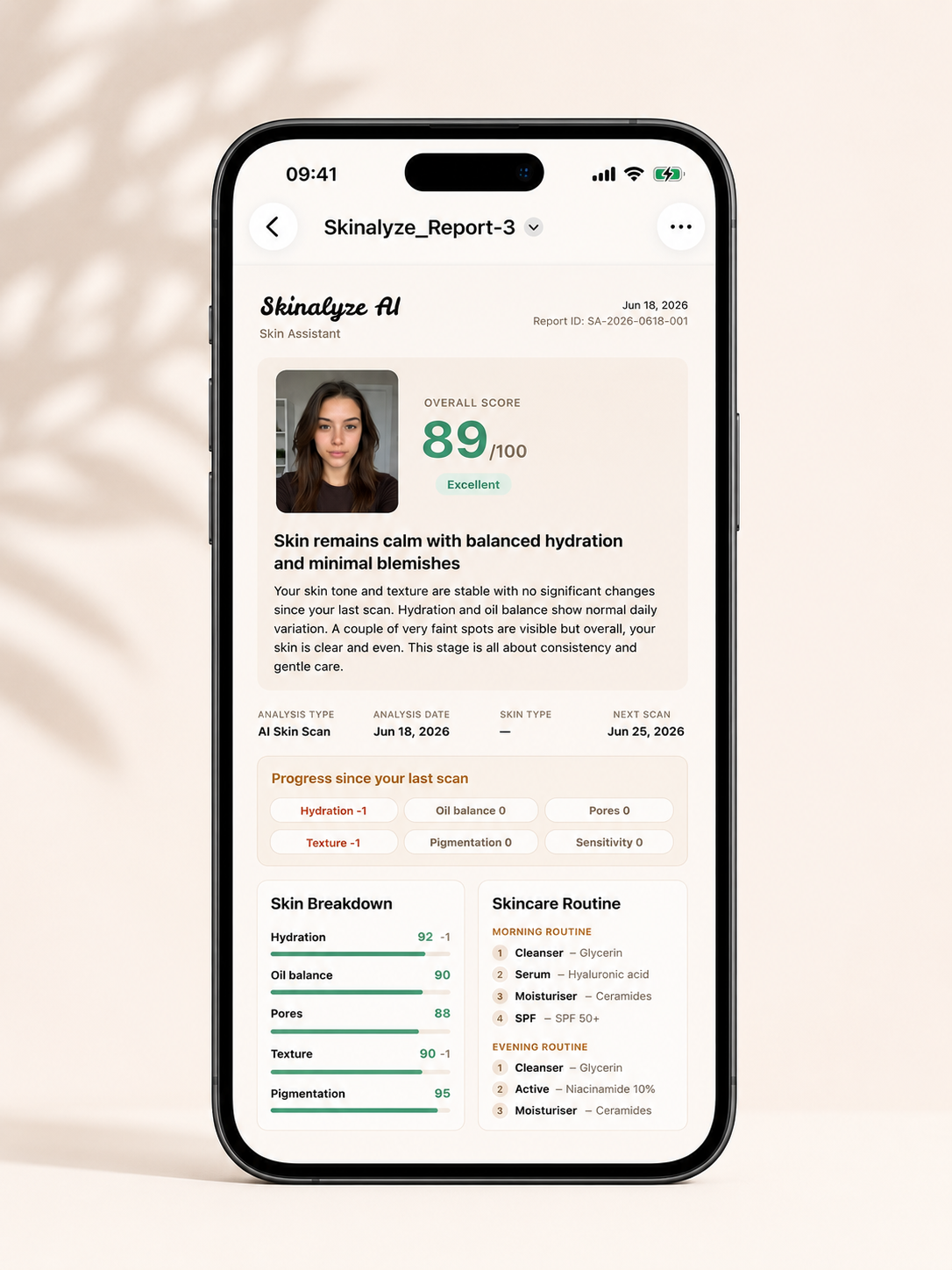
Not sure if your barrier is damaged? Skinalyze AI can analyse your skin in 30 seconds and flag signs of barrier stress.
How Do You Know If Your Skin Barrier Is Damaged?
You may have a damaged skin barrier if your skin suddenly feels tight, dry, sensitive, itchy, red, rough or uncomfortable. Products that used to feel normal may start to sting or burn, especially after cleansing or applying moisturiser.
Common signs include flaking, patchy redness, irritation, rough texture, breakouts in unusual areas and skin that feels oily and dry at the same time. The first step is usually to stop strong actives, use a gentle cleanser, apply a barrier-supporting moisturiser and protect your skin with SPF during the day.
What Is the Skin Barrier?
The skin barrier is the outermost protective layer of your skin. Its main job is to keep moisture inside and help protect your skin from irritants, pollution, bacteria, allergens and environmental stress.
A simple way to imagine the skin barrier is like a brick wall. The skin cells are the “bricks”, and the natural lipids between them are the “mortar” that holds everything together. When this wall is strong, your skin is better able to stay hydrated and calm. When the wall becomes weak or damaged, moisture escapes more easily and irritants can enter more easily.
This is why damaged barrier skin often feels dry, sensitive, reactive or inflamed.
9 Signs Your Skin Barrier Is Damaged
1. Products Suddenly Sting or Burn
One of the most common signs of a damaged skin barrier is a sudden burning or stinging feeling when you apply skincare products. Even a cleanser, moisturiser or sunscreen that used to feel comfortable may start to irritate your skin.
This happens because a weakened barrier is less able to protect the skin from ingredients that would normally be tolerated. If everything starts to sting, your skin may need a simpler and calmer routine.
2. Your Skin Feels Tight After Cleansing
If your skin feels tight, stretched or uncomfortable after washing your face, your cleanser may be too harsh or your barrier may already be compromised.
Healthy skin should feel clean but not stripped. A tight feeling after cleansing often means that too much natural oil has been removed from the skin surface. This can make dryness, sensitivity and irritation worse.
3. Redness or Patchy Irritation
A damaged skin barrier can make the skin look red, blotchy or uneven. Some people notice redness around the cheeks, nose, chin or forehead. Others may see darker or more irritated patches depending on their skin tone.
Redness can also be caused by acne, rosacea, eczema or allergic reactions, so it is important to look at the full picture. If redness is persistent, painful or getting worse, it is better to speak with a dermatologist.
4. Flaking or Peeling
Flaking, peeling or dry patches can be another sign that your skin barrier is struggling to hold moisture. This may happen after over-exfoliation, using retinol too often, applying too many active ingredients or cleansing too aggressively.
If your skin is peeling, avoid scrubs and exfoliating acids until your skin feels calm again.
5. Breakouts in Unusual Areas
A damaged barrier can sometimes trigger breakouts, especially small irritated bumps or inflamed spots in areas where your skin is usually clear.
This does not always mean your skin is “dirty” or needs stronger acne treatment. In some cases, using more acids, scrubs or drying products can make the problem worse. If breakouts appear together with stinging, redness, dryness or tightness, barrier damage may be part of the issue.
6. Rough or Bumpy Texture
When the skin barrier is weakened, the skin surface may feel rough, uneven or bumpy. Makeup may sit differently, skincare may not absorb as smoothly and the skin may look dull or tired.
This texture is often a sign that the skin needs hydration, moisture and time to recover rather than more exfoliation.
7. Itchiness or Discomfort
Itchy skin can happen when the barrier is dry, irritated or inflamed. You may feel the urge to scratch, rub or touch your face more often.
Try not to scratch irritated skin, as this can make the barrier weaker. Instead, focus on calming, fragrance-free and barrier-supporting products.
8. Skin Feels Oily and Dry at the Same Time
Some people with a damaged skin barrier notice that their skin feels greasy on the surface but tight or dehydrated underneath. This can be confusing, especially for oily or combination skin types.
When the skin is dehydrated, it may produce more oil while still lacking water and comfort. In this case, the goal is not to strip the skin more, but to support hydration and barrier repair.
9. Your Usual Routine No Longer Works
If your regular skincare routine suddenly causes irritation, redness, burning or breakouts, your skin may be overloaded.
This can happen after adding too many products, using strong actives too often or combining ingredients that are too irritating for your skin at the same time. A routine that worked before may need to be simplified for a few weeks.
What Causes a Damaged Skin Barrier?
A damaged skin barrier can happen for many reasons. Sometimes it is caused by one strong product, but more often it happens slowly after repeated irritation.
Common causes include:
- Over-exfoliation with acids, scrubs or peeling products
- Using retinol or retinal too often
- Combining retinoids, exfoliating acids and vitamin C in the same routine
- Harsh or stripping cleansers
- Washing your face with hot water
- Fragrance or essential oils in skincare
- Using too many new products at once
- Over-cleansing
- Dry weather, wind or strong sun exposure
- Skin conditions such as eczema, rosacea or dermatitis
- Allergic reactions or irritation from certain ingredients
A very common mistake is trying to “fix” irritated skin by adding more active ingredients. If your skin is already sensitive, this can make the barrier even weaker.
How Is a Damaged Skin Barrier Different from Acne or Rosacea?
A damaged skin barrier can look similar to acne, rosacea, eczema or perioral dermatitis, but the causes and treatment approach may be different. This is why it is important not to treat every breakout or red patch with stronger active ingredients.
| Skin concern | Common signs | Key difference |
|---|---|---|
| Damaged skin barrier | Stinging, tightness, redness, flaking, rough texture | Often appears after overusing actives, harsh cleansing or product overload |
| Acne | Blackheads, whiteheads, pimples, inflamed spots | Usually linked to clogged pores, oil, bacteria and inflammation |
| Rosacea | Persistent redness, flushing, visible vessels, sensitivity | Often triggered by heat, alcohol, spicy food, sun or temperature changes |
| Eczema | Dry, itchy, inflamed patches | Often chronic and may need medical treatment |
| Perioral dermatitis | Small bumps around the mouth, nose or eyes | Can be worsened by heavy products, irritation or steroid creams |
A damaged barrier can exist together with acne, rosacea or eczema. If your skin is painful, swollen, infected, spreading or not improving, it is best to see a dermatologist.
How to Repair a Damaged Skin Barrier
The main goal is to reduce irritation and give your skin time to recover. A damaged barrier usually needs fewer products, not more.
Step 1: Stop Strong Actives
Temporarily stop products that may irritate your skin, especially:
- Retinol
- Retinal
- Exfoliating acids such as AHA, BHA and PHA
- Strong vitamin C
- Benzoyl peroxide, unless prescribed or recommended for your acne
- Physical scrubs
- Peeling masks
- Strong toners
You do not need to stop these forever. The goal is to pause them until your skin feels calm, comfortable and less reactive.
Step 2: Use a Gentle Cleanser
Choose a gentle, non-stripping cleanser. Avoid cleansers that leave your skin feeling tight, squeaky-clean or dry.
If your skin is very irritated, you may only need to cleanse once in the evening and rinse with lukewarm water in the morning. Avoid hot water, rough towels and cleansing brushes until your skin feels better.
If you are not sure where cleanser, moisturiser and SPF should sit in your routine, read our guide to the correct skincare routine order.
Step 3: Apply Barrier-Supporting Moisturiser
A good moisturiser is one of the most important steps for barrier repair. Look for ingredients that help hydrate, soften and support the skin barrier.
Good options include ceramides, glycerin, panthenol, squalane, fatty acids and niacinamide if your skin tolerates it.
Apply moisturiser while your skin is slightly damp to help lock in hydration.
Step 4: Wear SPF
Sun exposure can make irritation, redness and dryness worse. During the day, use a broad-spectrum sunscreen that feels comfortable on your skin.
If your usual sunscreen stings, try a fragrance-free formula made for sensitive skin. Mineral sunscreens may feel better for some people, but this depends on your skin.
Step 5: Reintroduce Actives Slowly
Once your skin feels calm again, reintroduce active ingredients slowly. Add only one active at a time and use it a few times per week at first.
For example, if you want to restart retinol, use it once or twice a week and apply moisturiser before and after if your skin is sensitive. Avoid restarting retinol, acids and vitamin C all at the same time.
You can also read our guide on how to layer skincare to build a safer routine once your skin is ready.
Want help building a calm, personalised reintroduction plan? Skinalyze AI can suggest a routine based on your current skin state.
Simple Morning and Evening Routine for Barrier Repair
A barrier repair routine should be simple, gentle and consistent.
Morning Routine
- Rinse with lukewarm water or use a gentle cleanser
- Apply a hydrating serum if your skin tolerates it
- Apply a barrier-supporting moisturiser
- Apply sunscreen
Evening Routine
- Cleanse with a gentle cleanser
- Apply a hydrating serum if needed
- Apply a barrier-supporting moisturiser
- If your skin is very dry, apply a thin layer of balm on dry patches
Keep this routine simple for at least two to four weeks, depending on how irritated your skin feels.
Best Ingredients for Barrier Repair
The best ingredients for a damaged skin barrier are usually calming, hydrating and moisturising. Look for products that support the skin instead of pushing it to exfoliate or renew too quickly.
Ceramides
Ceramides are lipids naturally found in the skin barrier. They help keep the barrier strong and reduce moisture loss.
Cholesterol
Cholesterol is another important lipid in the skin barrier. In skincare, it is often combined with ceramides and fatty acids to support dry or compromised skin.
Fatty Acids
Fatty acids help soften and nourish the skin. They can support a smoother, more comfortable skin surface.
Panthenol
Panthenol, also known as provitamin B5, is often used in calming and repairing skincare. It can help reduce the feeling of dryness and discomfort.
Niacinamide
Niacinamide can support the skin barrier and help with uneven tone, redness and oil balance. However, some very sensitive skin may react to it, so introduce it carefully. If you are comparing it with acne-focused ingredients, you may also find our guide on niacinamide vs salicylic acid helpful.
Glycerin
Glycerin is a humectant, which means it helps attract water to the skin. It is a simple but very useful ingredient for dehydrated skin.
Squalane
Squalane is a lightweight emollient that helps soften the skin and reduce dryness without feeling too heavy for many skin types.
Centella Asiatica
Centella asiatica is often used in calming skincare products. It may be helpful for skin that feels sensitive, stressed or irritated.
If your skin is very reactive, choose calming ingredients first. Our guide to the best ingredients for sensitive skin can help you understand which ingredients are usually gentler.
Where to Find These Ingredients
The good news: barrier-repair ingredients are not rare or expensive. Most of them sit in a small group of well-formulated, widely available products. The picks below are organised by the ingredient combination they deliver, not by brand, so you can match them to what your skin actually needs.
Ceramides + hyaluronic acid (a daily moisturiser)
The classic combination for replacing what is missing in a damaged barrier. Look for a product where ceramides appear in the first half of the ingredient list, not at the very bottom.
Panthenol + centella (when skin is reactive)
If your skin is also stinging, red or visibly irritated, a calming balm with panthenol (provitamin B5) and centella asiatica gives faster comfort than a regular moisturiser.
Niacinamide (once the worst irritation has calmed)
Niacinamide supports the barrier from the inside, but it is best introduced after the most acute redness has settled. 5% is the sweet spot; 10% works for many people but a small share react to it. More on how niacinamide compares to salicylic acid if you are weighing them up.
Occlusive (for the worst nights)
When skin is genuinely raw, flaking, cracking or tight, an occlusive layer at night seals in everything underneath and lets the barrier rebuild overnight.
Some links above are affiliate links. As an Amazon Associate, Skinalyze AI earns from qualifying purchases at no extra cost to you. We only recommend products whose ingredient profile aligns with the science discussed above. Why we recommend these →
Ingredients to Avoid Until Your Skin Calms Down
When your skin barrier is damaged, avoid ingredients and products that may increase irritation.
Try to pause:
- Retinol and retinal
- Exfoliating acids
- Strong vitamin C
- Physical scrubs
- Peeling masks
- Alcohol-heavy toners
- Fragrance
- Essential oils
- Harsh foaming cleansers
- Too many new products at once
This does not mean these ingredients are always bad. Many active ingredients can be useful when your skin is healthy. But when your barrier is damaged, your skin usually needs a calmer approach.
How Long Does It Take to Repair a Damaged Skin Barrier?
The time it takes to repair a damaged skin barrier depends on how irritated your skin is and what caused the damage.
Mild irritation may improve in a few days to two weeks after simplifying your routine. More noticeable barrier damage may take four to eight weeks or longer, especially if your skin is very dry, reactive or affected by an underlying condition.
Signs your skin barrier is improving include:
- Less stinging when applying products
- Less tightness after cleansing
- Reduced redness or irritation
- Smoother texture
- Less flaking
- Skin feels more comfortable during the day
- Your moisturiser feels soothing instead of burning
If your skin keeps getting worse despite a gentle routine, it may not be only barrier damage.
When to See a Dermatologist
You should speak with a dermatologist if your skin is painful, swollen, infected, bleeding, crusting, spreading or not improving after several weeks of a simplified routine.
You should also get medical advice if you have persistent redness, severe itching, sudden rashes, bumps around the mouth or eyes, or symptoms that may be related to eczema, rosacea, dermatitis or an allergic reaction.
A damaged skin barrier can often be improved with gentle skincare, but some conditions need proper diagnosis and treatment.
FAQ
Can retinol damage your skin barrier?
Retinol can irritate the skin if it is used too often, applied in a strong formula, or combined with too many other active ingredients. If your skin becomes red, flaky, tight or burning after retinol, pause it until your skin feels calm again.
Can over-exfoliation damage your skin barrier?
Yes. Over-exfoliation is one of the most common causes of barrier damage. Using acids, scrubs or peeling products too often can lead to redness, stinging, flaking, dryness and sensitivity.
Should I stop vitamin C if my skin barrier is damaged?
If vitamin C stings or makes your skin more irritated, pause it temporarily. You can reintroduce it later when your skin feels calm and comfortable again.
Is niacinamide good for a damaged skin barrier?
Niacinamide can be helpful for barrier support, redness and oil balance. However, some sensitive skin types may react to it, especially at higher percentages. If your skin is very irritated, introduce niacinamide slowly or choose a simple moisturiser first.
Can I use hyaluronic acid with a damaged skin barrier?
Hyaluronic acid can help hydrate the skin, but it should be followed with moisturiser. If your skin is very sensitive and hyaluronic acid stings, pause it and use a simple moisturiser instead.
Why does everything sting on my face?
If many products suddenly sting, your skin barrier may be weakened. It can also happen with allergic reactions, dermatitis, rosacea or overuse of active ingredients. If the stinging is severe or persistent, see a dermatologist.
How do I know my skin barrier is healing?
Your skin barrier may be healing if your skin feels less tight, less itchy, less red and less reactive. Products should start to feel comfortable again, and flaking or rough texture should gradually improve.
Can oily skin have a damaged barrier?
Yes. Oily skin can still be dehydrated, irritated or barrier-damaged. If your skin feels oily but tight, shiny but dry, or breaks out while also stinging, your barrier may need support.
What is the fastest way to repair a damaged skin barrier?
To recover quickly, simplify your routine: stop strong actives, use a gentle cleanser, apply a barrier-supporting moisturiser, and wear SPF during the day. Avoid adding too many new products while your skin is irritated.
Can a damaged skin barrier cause acne?
A damaged skin barrier can contribute to irritation, inflammation and breakouts. However, acne can also have other causes, including oil production, clogged pores, bacteria and hormones. If breakouts are persistent, it may help to speak with a dermatologist.
Final Thoughts
A damaged skin barrier can make your skin feel unpredictable, sensitive and uncomfortable. The most important thing is to simplify your routine and give your skin time to recover.
Focus on gentle cleansing, moisturising, sun protection and barrier-supporting ingredients. Once your skin feels calm again, you can slowly reintroduce active ingredients one at a time.
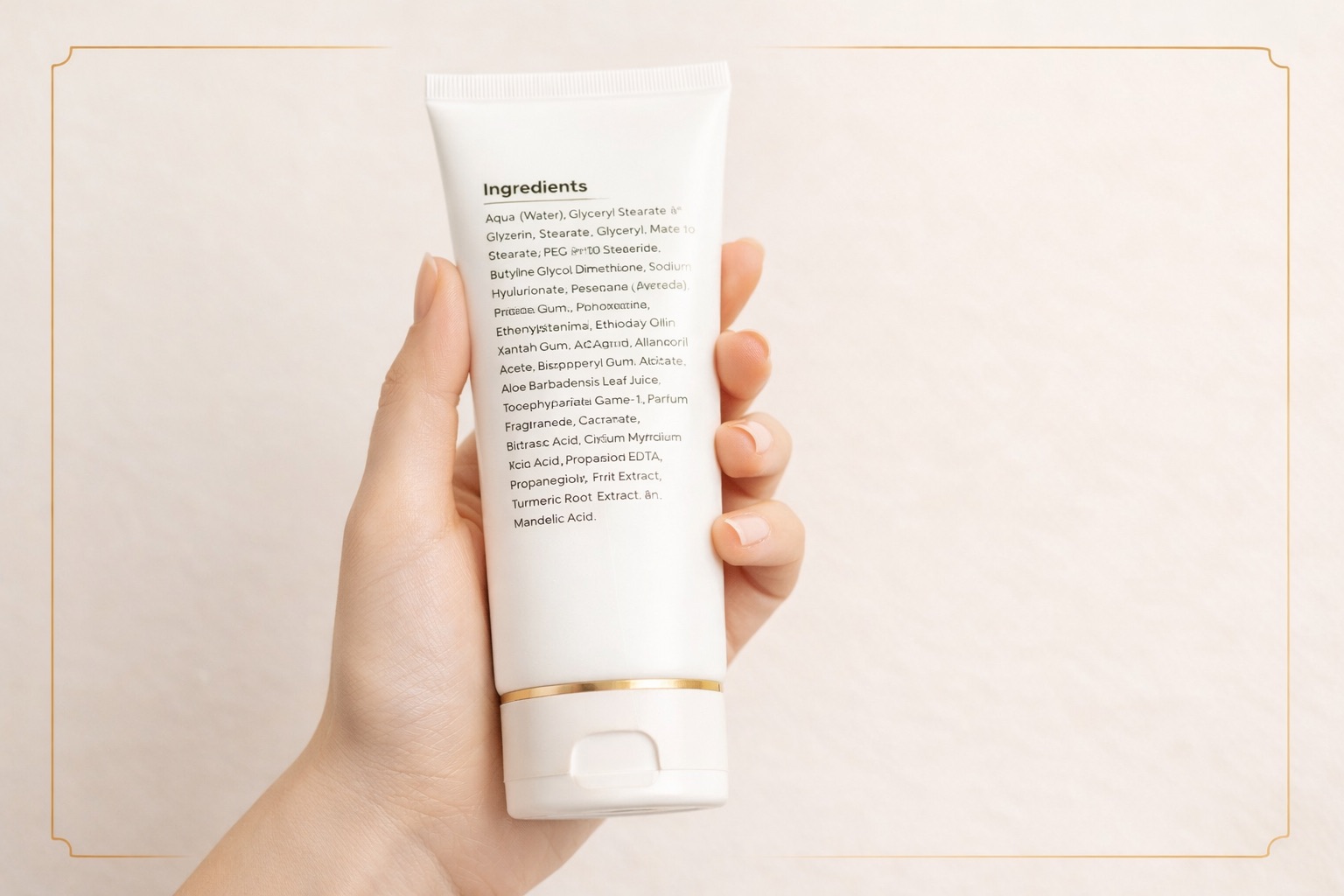
If you are not sure whether your current skincare products are helping or irritating your skin, Skinalyze AI can help you check product ingredients and build a more personalised routine for your skin needs.