
The short answer
Skinalyze AI looks at the visible signs on your skin from a photo, oiliness, dryness, redness, texture, pores, pigmentation, and signs of irritation. It combines that with what you share about your skin, and gives you a clearer picture of where you are: your likely skin type, your main concerns, and a routine that fits.
It can compare your new scan with your previous scans, so when you check in again, it can show you if something improved, got worse, or stayed the same.
And when you are in the shop, you can scan a product, and instead of a generic description, the app tells you whether it suits your skin specifically.

Skinalyze AI is designed for informational skincare guidance. It does not diagnose medical conditions and does not replace a dermatologist.
Everything Skinalyze AI does
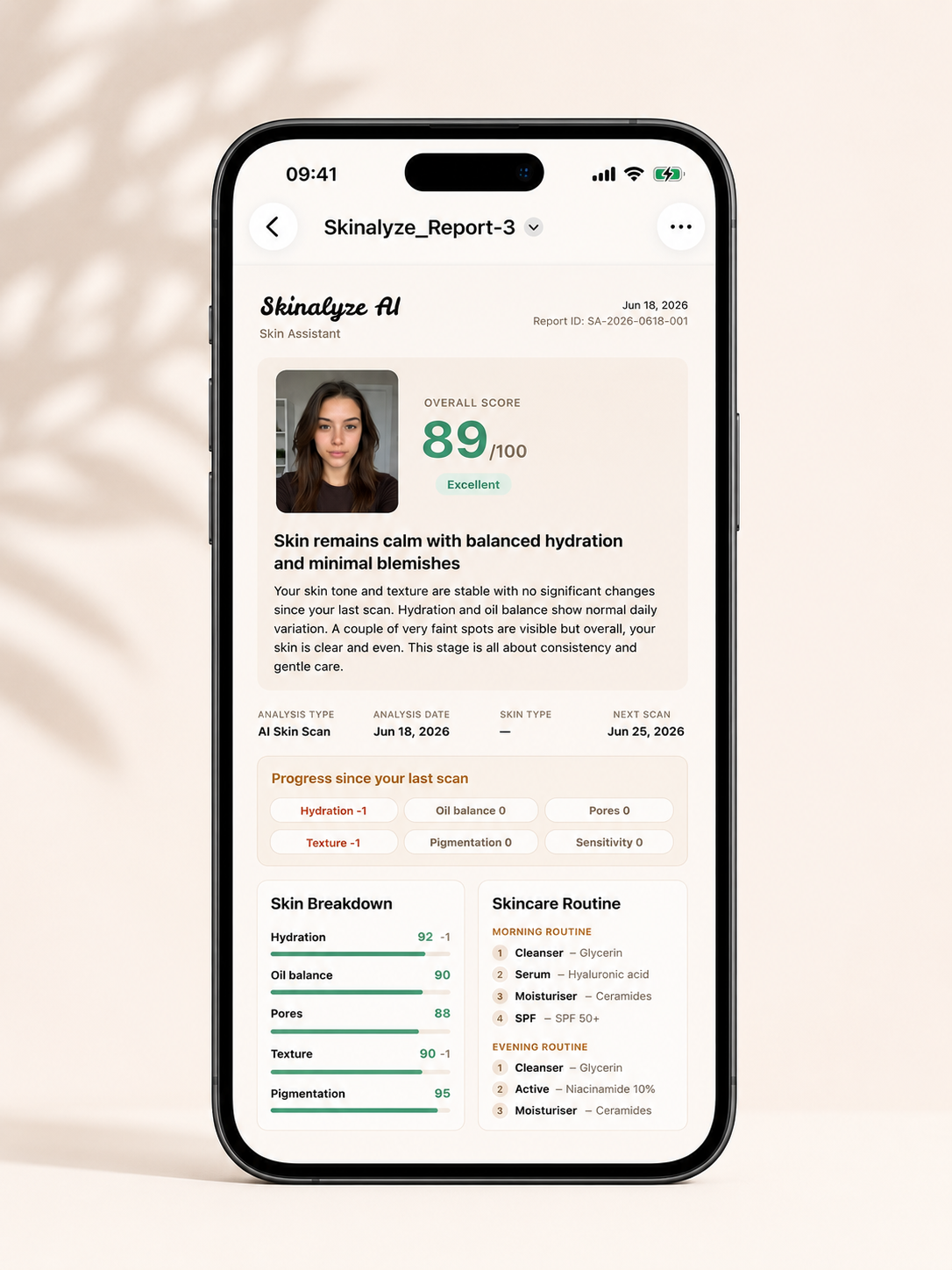
- AI skin analysis from a photo, a clear skin score and breakdown across hydration, oil, pores, texture and pigmentation.
- Progress tracking, every scan is saved so you can compare today with last month and see what changed.
- Mole and spot tracking, follow a specific spot over time with photos taken the same way each visit.
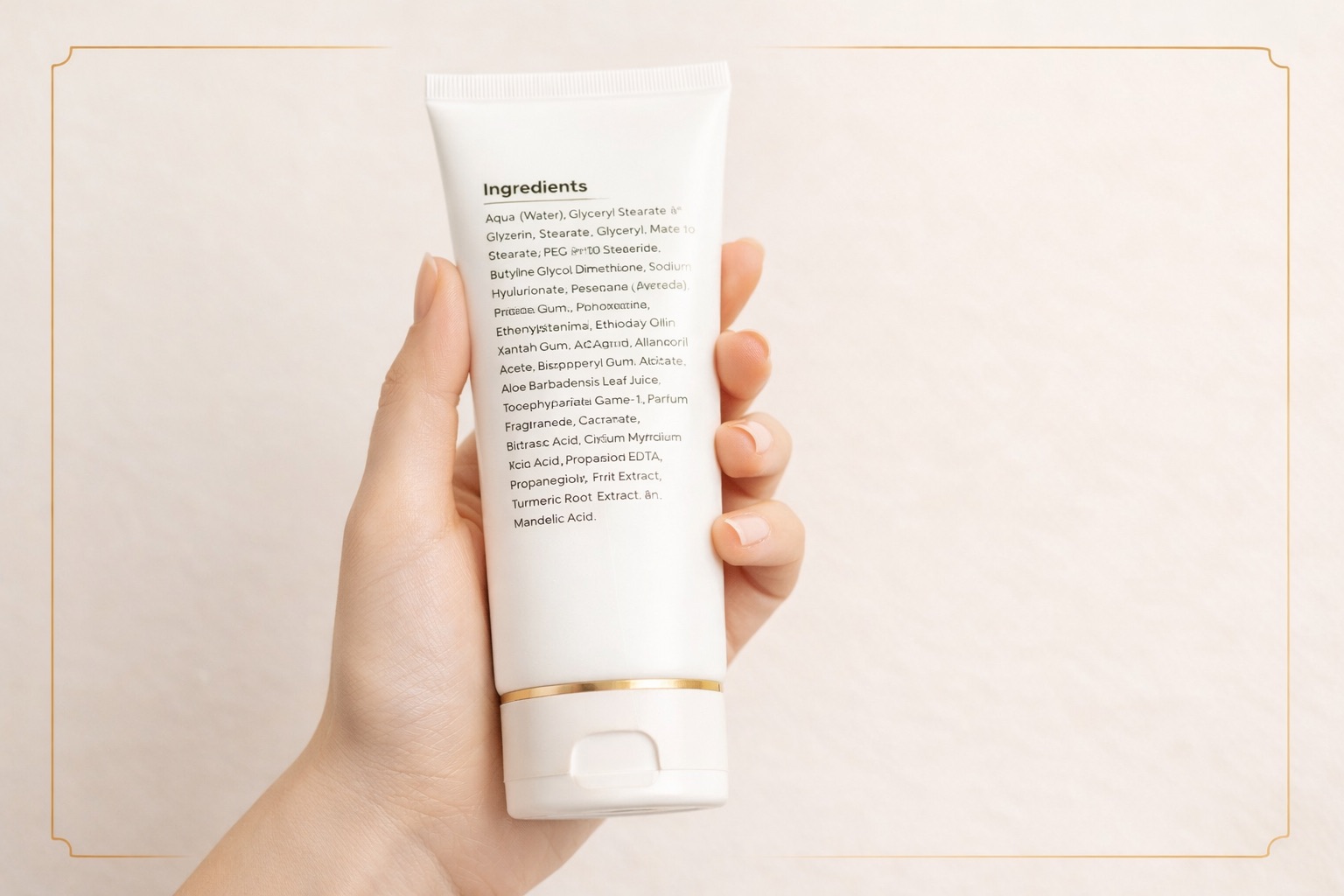
- Product ingredient checker, scan a product and find out whether it suits your skin before you buy.
- A personalised routine, a simple morning and evening plan built around your skin, not a generic template.
- Shareable PDF reports, export your full skin report in one tap to save or share.
Why I built Skinalyze AI
I built this app because I was getting tired of doing the same thing over and over.
Every time something changed on my skin, a new breakout, more redness, a dry patch that would not go away, I would open ChatGPT and type out a long description. "My forehead is more oily this week, my cheeks are tight after cleansing, I started using this new serum…" I would get advice, try it, and a week later I would come back with a new question. But the AI did not remember anything. Not what I asked last time. Not whether the routine worked. Not what my skin looked like before.
So every conversation started from zero. Every time.
That was the first frustration. The second was shopping. I would walk into a pharmacy or beauty shop, pick up a product, and have no real way to know if it would suit me. The label said it was "for sensitive skin" or "anti-aging", but for which sensitive skin? Whose aging concerns? I would read the back of the bottle, get lost in the ingredient list, and either guess or skip the product entirely.
I wanted an app that already knew my skin. That could remember what changed since the last scan. That could look at a product and tell me, not a generic review, not the brand's marketing copy, whether this product made sense for my face right now.
That is what Skinalyze AI does.
Who it is for
Skinalyze AI was built for people who recognise themselves in any of these:
- You are not sure if your skin is oily, dry, combination, or just dehydrated.
- Your skin feels sensitive, reactive, or easily irritated and you do not know why.
- You deal with visible redness, uneven texture, clogged pores, or breakouts.
- You want to understand hyperpigmentation, uneven tone, or marks left after acne.
- You buy skincare products but are never sure if they actually suit your skin.
- You want to track a specific spot or mole over time and see if it is changing.
- You read skincare advice online and feel more confused, not less.
If you have a clear, long-standing routine that works perfectly, you probably do not need this. If you have ever stood in a pharmacy holding two serums wondering which one is right for you, this app was built for that exact moment.
What the AI actually checks
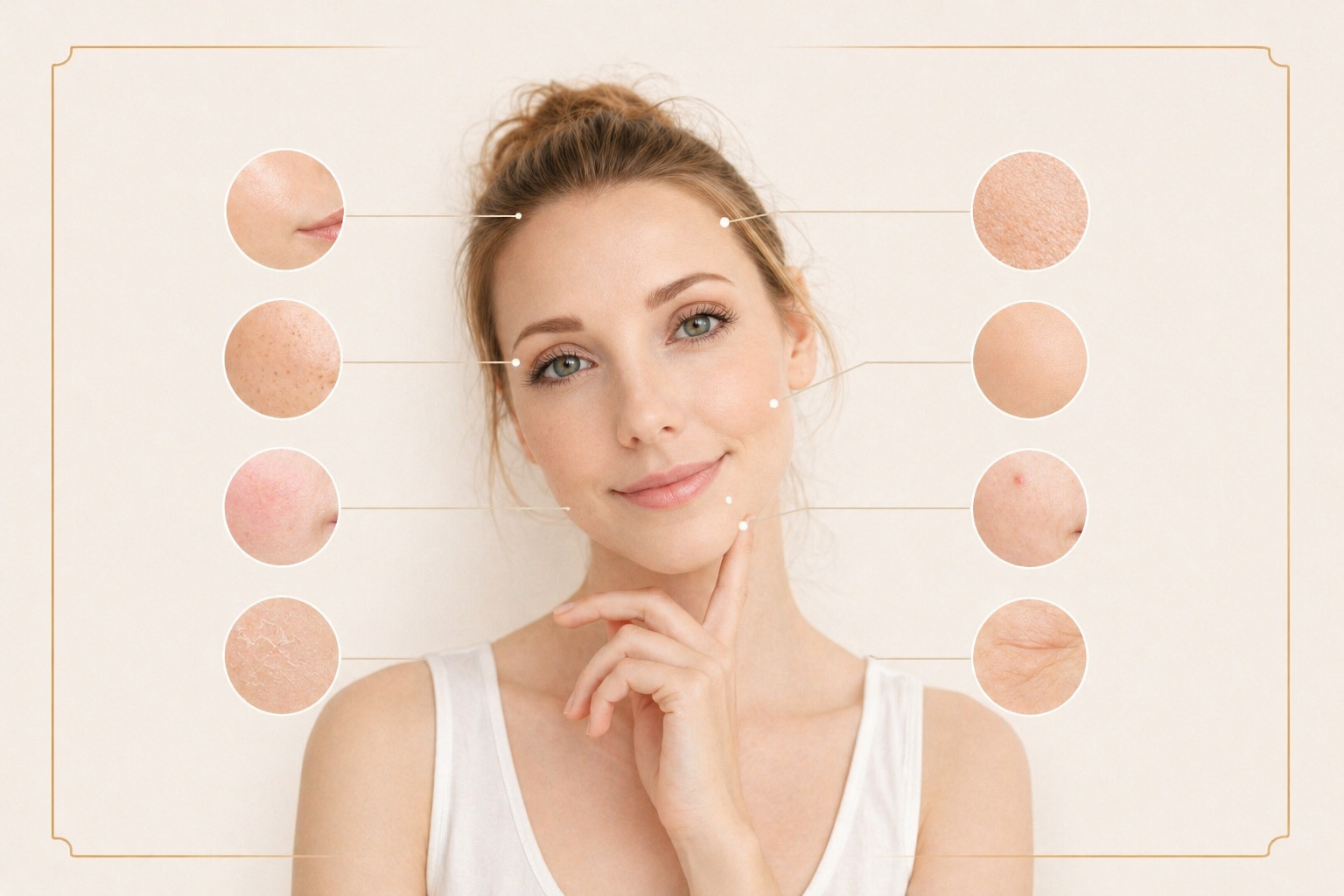
This is the part most people want to understand clearly. The AI looks at visible signs only, things that can be seen on the surface of the skin in a good photo. Specifically:
- Visible oiliness and shine across different areas of the face.
- Visible dryness, tightness, or flaking.
- Redness and possible signs of irritation.
- Skin texture, bumps, roughness, uneven surface.
- Visible pore appearance.
- Pigmentation, dark spots, uneven tone, post-acne marks.
- General skin type indicators across the face zones.
- Product compatibility, how a scanned product's ingredients match your skin profile.
- Visible changes in a specific spot you choose to track over time.
And what it does not see:
The app does not see what is happening under the skin. It does not diagnose disease. It cannot confirm whether a mole is benign or dangerous. It cannot replace a consultation with a dermatologist. It is a tool for noticing patterns, not for medical decisions.
How a 30-second scan turns into a routine
The flow is simple, and short on purpose:
- You take a photo with the front or main camera.
- The AI analyses the visible signs across different zones of your face.
- You answer a few quick questions, your main concerns, what you have tried, anything to flag.
- The app translates the analysis into plain language: what it sees, what it suggests, why.
- You get a suggested routine, cleanser, treatment, moisturiser, sunscreen, built around your skin type and concerns, not a generic template.
- You can adjust based on what your skin actually responds to. The app remembers.
The goal is not to replace your judgment. The goal is to give you a clearer starting point, and then make it easier to track whether your skincare is actually working.
What AI can do, and what it cannot
This is the section I would want to read first if I were sceptical. So here it is directly:
What Skinalyze AI can do
- Help you notice visible patterns on your skin that you might miss in the mirror.
- Explain skincare ingredients and routines in plain, simpler language.
- Suggest a routine structured around your visible skin signs and concerns.
- Track your skin over time, compare a scan today to one from a month ago.
- Tell you whether a specific product's ingredients are likely to suit your skin, based on what you scanned before.
- Help you ask better questions when you go to a dermatologist or buy a new product.
What Skinalyze AI cannot do
- Diagnose acne, rosacea, eczema, melasma, skin cancer, or any other medical condition.
- Confirm whether a mole or spot is benign or dangerous.
- Replace a dermatologist, especially for anything that is painful, changing fast, or worrying you.
- Guarantee perfect accuracy. Photo quality, lighting, and what you share with the app all affect the result.
- Work well with blurry, heavily filtered, or badly lit photos.
- Know your full medical history or your reactions to specific ingredients you have not told it about.

If you have a mole, spot, or skin change that is new, growing, bleeding, itching, or simply does not feel right, please see a dermatologist. No app is a substitute for that conversation.
How to get the best scan result
The accuracy of the analysis depends a lot on the photo. A few simple things make a big difference:
- Use natural daylight, near a window, but not in direct sun.
- Avoid heavy makeup, clean, dry skin gives the truest reading.
- Wipe the camera lens, even small smudges blur the photo enough to throw off the analysis.
- No filters, beauty filters smooth out the exact texture the AI is trying to read.
- Keep your face centered and close enough that the camera can see your full face clearly.
- Retake blurry photos, a sharper image always wins.
- For tracking a specific spot, use similar lighting and angle each time, that is what makes the comparison meaningful.
How tracking actually works
This is the feature I missed most when I was using ChatGPT for skincare. The app remembers.
When you scan again a week or a month later, Skinalyze AI compares the new analysis to your earlier ones. It can show you whether your visible redness has reduced, whether your skin texture has improved, whether a tracked spot is bigger, smaller, or the same. It is the part that turns one-off skincare advice into a feedback loop.
For barrier issues, which often need several weeks of consistent simple care, this is especially useful. If you are trying to repair a damaged skin barrier or fade hyperpigmentation, you can actually see if your routine is working, not just hope it is.
The product scan: this is the part I love most
You walk into a shop. You pick up a serum. Instead of squinting at the label or pulling out your phone to google reviews, you scan it. The app already knows your skin from your last analysis. It looks at the ingredients in your hand, compares them against your skin profile, and tells you in plain language whether this product is likely to suit you, miss you, or actively irritate you.
It is not a generic ingredient description copied from a database. It is, does this match your face. That is the difference.
If you want to understand more about how individual ingredients work, our guide to niacinamide vs salicylic acid walks through one of the most common comparisons.
Frequently asked questions
Is AI skin analysis accurate?
It can be useful for visible signs like oiliness, redness, texture and pigmentation. Accuracy depends on photo quality, lighting and the information you share. It is informational guidance, not a medical diagnosis.
Can Skinalyze AI diagnose skin conditions?
No. Skinalyze AI is informational only. It does not diagnose acne, rosacea, eczema, skin cancer, or any other medical condition. For anything that worries you, please see a dermatologist.
Can the app tell if a mole is dangerous?
No. The app can help you track visible changes in a spot over time, which is useful information to bring to a specialist. It cannot confirm whether a mole is benign or dangerous. Any new, changing, or suspicious mole should be checked by a dermatologist.
Do I need perfect lighting for the scan?
No, but natural daylight, a clean camera lens, and no filters or heavy makeup will give the most accurate result. Blurry photos or strong artificial light reduce the quality of the analysis.
Can I use Skinalyze AI if I have sensitive skin?
Yes. The app can help identify visible signs of irritation, redness, or a compromised barrier and suggest gentler routine ideas. Always patch test new products, and if your skin is very reactive or you suspect a condition, consult a dermatologist.
Can Skinalyze AI check if a product suits my skin?
Yes. You can scan the ingredients of a skincare product and the app will review them against your skin type and concerns. This is guidance, not a guarantee, individual reactions to ingredients can still vary, especially for very sensitive skin.
If you want to try it
Skinalyze AI is free to download. The first scan gives you your skin type, your main visible concerns, and a starter routine. From there, you can scan products, track changes over time, and build something that actually fits your skin, not a generic template.