What is hypochlorous acid?
Hypochlorous acid (HOCl) is a weak acid produced naturally by white blood cells as part of the immune response - it's one of the compounds your body uses to fight pathogens and reduce inflammation after injury. In skincare, it's produced synthetically through electrolysis of salt water, creating a stable, low-concentration solution that can be used topically.
The concentration used in skincare products is typically 0.01-0.05% - far below anything that would cause irritation. At this level, it kills bacteria, viruses, and fungi on contact while being gentle enough for daily use on even the most sensitive skin types.
What hypochlorous acid does for skin
Antimicrobial without disrupting the skin microbiome
Unlike most topical antibacterials (benzoyl peroxide, alcohol), hypochlorous acid kills harmful pathogens without significant disruption to the skin's beneficial bacterial ecosystem. It works through oxidation - breaking down the cell walls of pathogens - rather than chemical toxicity. This means it targets active threats without stripping the commensal microbiome that protects your skin barrier.
Reduces inflammation and redness
Hypochlorous acid has anti-inflammatory properties independent of its antimicrobial action. It reduces the activity of inflammatory cytokines and has shown effectiveness in reducing redness in conditions like rosacea, perioral dermatitis, and general reactive skin. The calming effect is noticeable quickly - many users see reduced flushing within days of regular use.
Accelerates wound healing
Medical-grade hypochlorous acid is widely used in wound care and post-surgical management. In skincare, this translates to faster recovery from active breakouts, post-procedure redness (after microneedling, laser, chemical peels), and minor skin irritation. It's one of the few ingredients where the medical wound-care evidence translates directly to cosmetic use.
Controls acne-causing bacteria
Hypochlorous acid kills Cutibacterium acnes (the bacteria involved in inflammatory acne) without developing resistance - unlike antibiotics, which lose effectiveness over time. This makes it a useful long-term option for acne management, either as a standalone product or alongside other treatments like retinoids or niacinamide.

Hypochlorous acid degrades with exposure to light and heat. Look for products in opaque or dark spray bottles, and store them away from sunlight. If a product becomes less effective over time, it may have degraded - the shelf life is typically 12-18 months after opening.
Who should use hypochlorous acid
- Acne-prone skin - antimicrobial control without the dryness or irritation of benzoyl peroxide
- Rosacea and reactive skin - anti-inflammatory and calming with zero irritation potential
- Post-procedure skin - widely recommended after microneedling, laser, and injectables
- Sensitive skin - one of the few truly non-irritating actives available
- Maskne and friction acne - effective at controlling bacteria that accumulate under masks, helmets, or hair
- Eczema and perioral dermatitis - both have shown response to hypochlorous acid in clinical studies
How to use hypochlorous acid
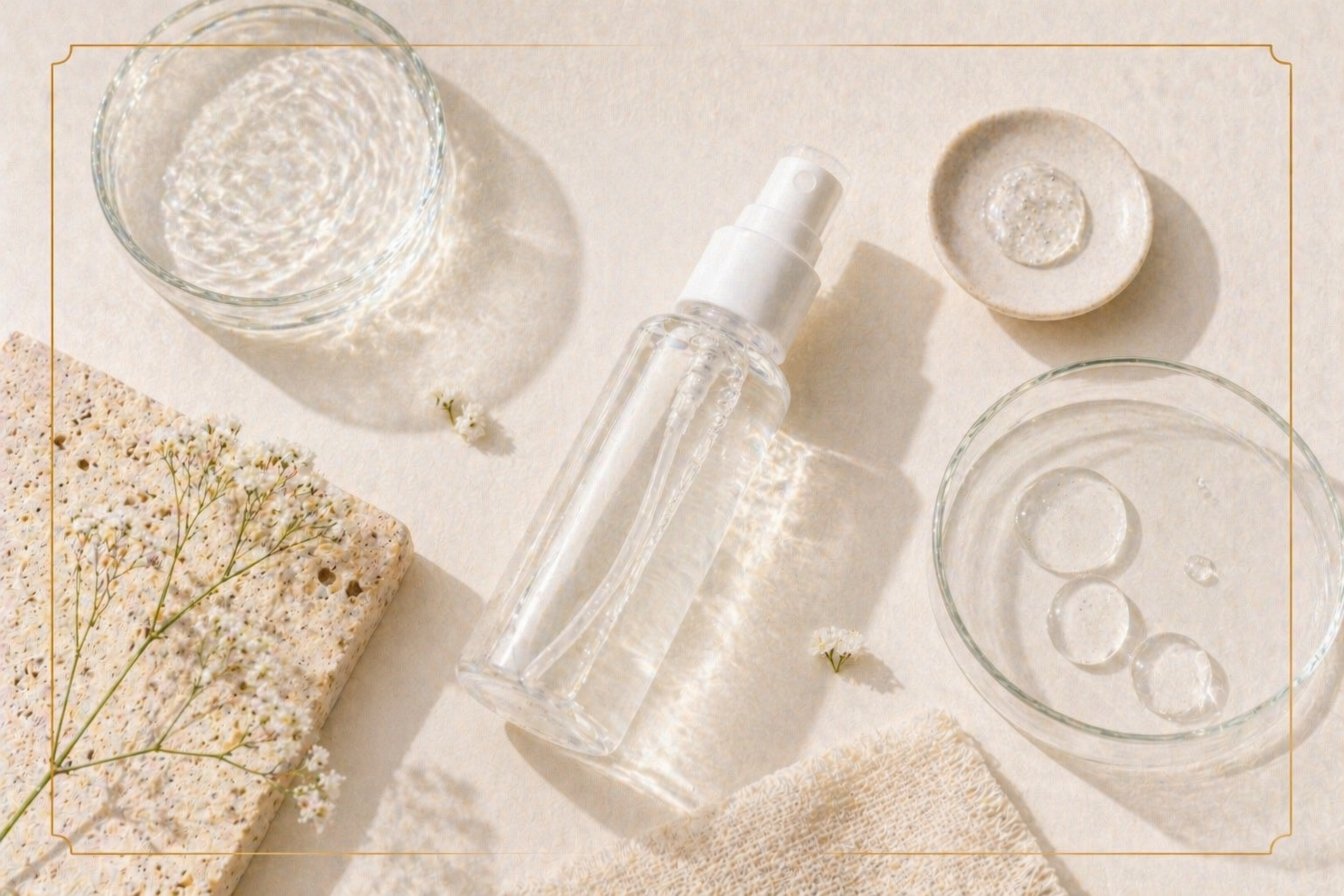
Hypochlorous acid is almost always sold as a spray or mist. It's used differently from most skincare products:
- As a toner replacement - mist onto clean skin before serum, allow to absorb for 30 seconds
- As a facial mist throughout the day - spray on top of SPF or makeup when skin feels reactive or hot
- As a post-workout spray - apply to face and body immediately after exercise before showering
- Post-procedure - spray onto freshly treated skin every few hours during the healing window
It can be used morning and evening, and even multiple times a day. There's no maximum frequency - you cannot over-apply hypochlorous acid at skincare concentrations.
How it compares to other antimicrobials
Compared to benzoyl peroxide: gentler, doesn't bleach fabric, doesn't dry skin, but slower-acting on active spots. Compared to salicylic acid: no exfoliation, non-irritating, better for redness and reactive skin. Compared to tea tree oil: less likely to cause sensitisation, more stable, better evidence for medical-grade use.
Hypochlorous acid isn't a spot treatment - it's a maintenance and prevention tool. For active spots, pair it with targeted treatments. For managing chronic redness and reducing breakout frequency, it's hard to beat.
Where to find hypochlorous acid
Hypochlorous acid is unstable in storage, so a fresh, well-packaged spray matters more than the brand. Look for products in opaque bottles with the concentration listed (typically 0.01 to 0.02%) and an unexpired manufacturing date.
Some links above are affiliate links. As an Amazon Associate, Skinalyze AI earns from qualifying purchases at no extra cost to you. Why we recommend these →
Frequently asked questions
Is hypochlorous acid the same as bleach?
No - though both contain chlorine chemistry, they're structurally different molecules. Household bleach is sodium hypochlorite (NaOCl), which is strongly alkaline and caustic. Hypochlorous acid (HOCl) is a weak acid that your body produces naturally. At skincare concentrations, it's safe for eyes, mucous membranes, and even open wounds - which bleach absolutely is not.
Can hypochlorous acid be used around the eyes?
Yes - it's actually used by ophthalmologists for eyelid cleaning and blepharitis (eyelid inflammation). Eye-safe hypochlorous acid sprays are a separate category of product. Standard facial skincare HOCl sprays are generally safe near the eye area, but check the product's specific guidance.
Does hypochlorous acid interact with other skincare products?
It plays well with almost everything. No known negative interactions with niacinamide, retinol, peptides, or SPF. Because it evaporates quickly, layering order matters less than with film-forming products - apply it before or between other steps without concern. The one consideration: strong acids (AHAs/BHAs) may reduce its pH-dependent activity if applied immediately after, so apply HOCl to clean skin or allow other actives to absorb first.
Will hypochlorous acid help with fungal acne?
Yes - hypochlorous acid is effective against Malassezia (the fungus responsible for fungal acne/pityrosporum folliculitis), making it one of the few skincare ingredients that works on both bacterial and fungal breakouts. This makes it particularly useful for people who don't see improvement with standard acne treatments.
How quickly does hypochlorous acid work?
For redness and inflammation, improvement is often noticeable within 3-7 days. For acne frequency reduction, expect 4-8 weeks of consistent use. The antimicrobial effect on individual bacteria is essentially immediate on contact - but translating that to visible skin improvement takes time as the skin's inflammatory response settles.