
What is actually happening
Your skin produces oil continuously from glands attached to each hair follicle. The rate is set mostly by hormones and genetics, not by how clean your face is. Men produce more of it on average, which is why this question comes up far more often from men than from women.
Wash your face and you reset the surface to zero. Over the next three to six hours the glands refill it. That is normal and it is not a hygiene failure.
Why washing harder backfires
Here is the loop almost everyone falls into. Face is shiny, so you buy a stronger wash. The stronger wash strips the barrier along with the oil. The stripped barrier loses water, the skin reads that as a problem, and oil production goes up to compensate.
Now you are shinier than before, so you wash harder again. People can spend years in this loop and conclude their skin is simply greasy.
The giveaway is the tight squeaky feeling right after washing. That is not cleanliness. That is a barrier that has been taken down to the floor.
Three changes that help
1. Gentler cleanser, same frequency
Twice a day, with something that leaves your face comfortable rather than squeaky. Give it two weeks before judging. Oil production takes time to settle.
2. Moisturise, even though it feels wrong
A light gel, morning and evening. Skin that is not short of water has less reason to overproduce. This is the step that feels most counterintuitive and changes the most.
3. Niacinamide, if you want one extra thing
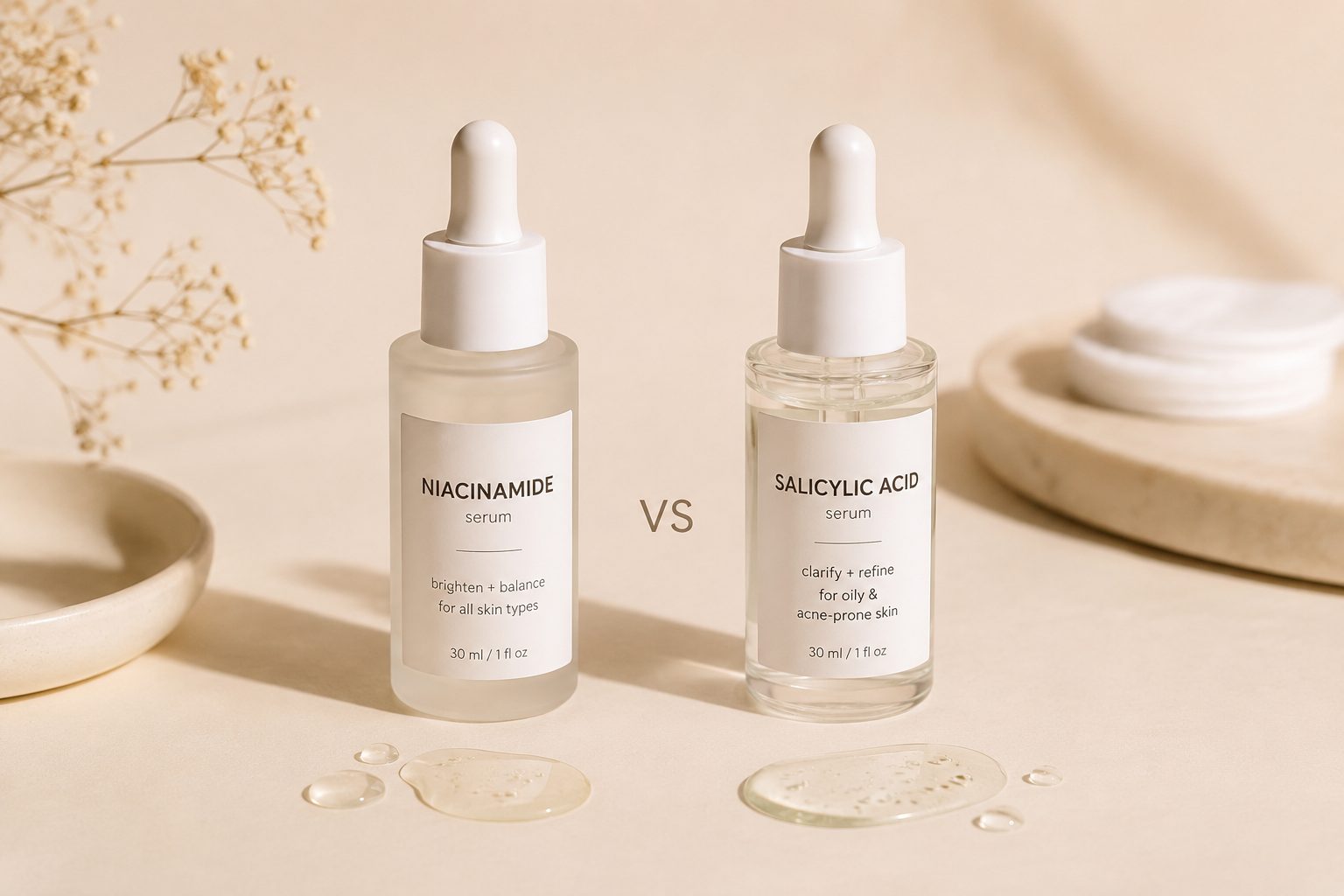
It is one of the few ingredients with decent evidence for reducing visible oil and the look of pores, and it is cheap and well tolerated. One serum in the morning is enough.
What will not work
- Alcohol based toners. They remove oil for twenty minutes and dry the skin for hours.
- Scrubbing. Oil glands are not on the surface. Scrubbing reaches the barrier and nothing else.
- Skipping moisturiser. Covered above, and it is the most common self inflicted cause.
- Mattifying powder alone. It hides the shine, which is fine, but it changes nothing underneath.
Oily, or dehydrated and pretending
A lot of skin that looks oily is actually both: slick on top, short of water underneath. The two need different products, and treating the second as the first is what keeps the loop going. Oily and combination skin also split differently than most people assume.
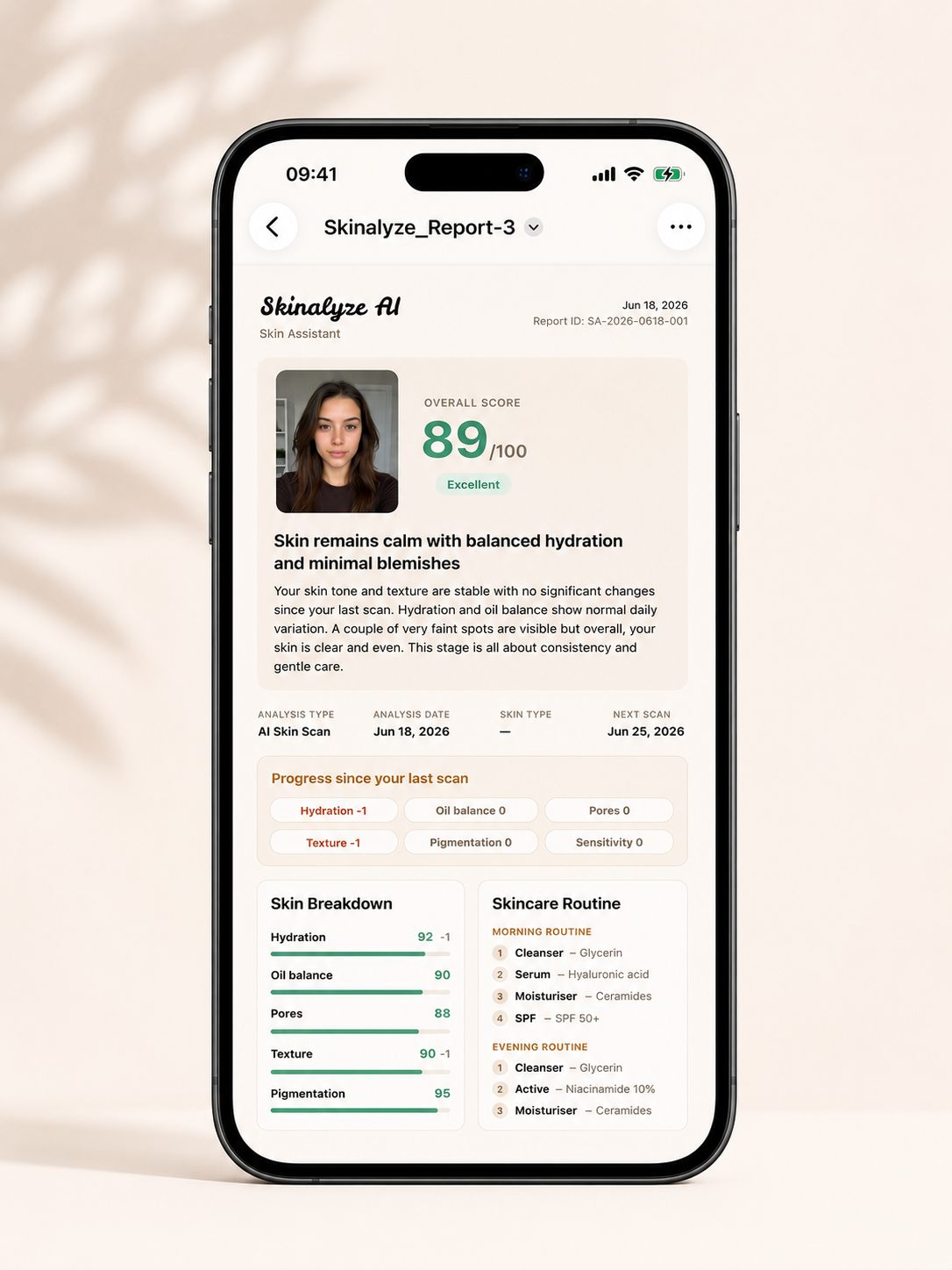
If you want this settled rather than guessed, Skinalyze AI reads a selfie and separates oil from dehydration, which is the one distinction that decides everything else. The three product routine is where to put the answer to work.