


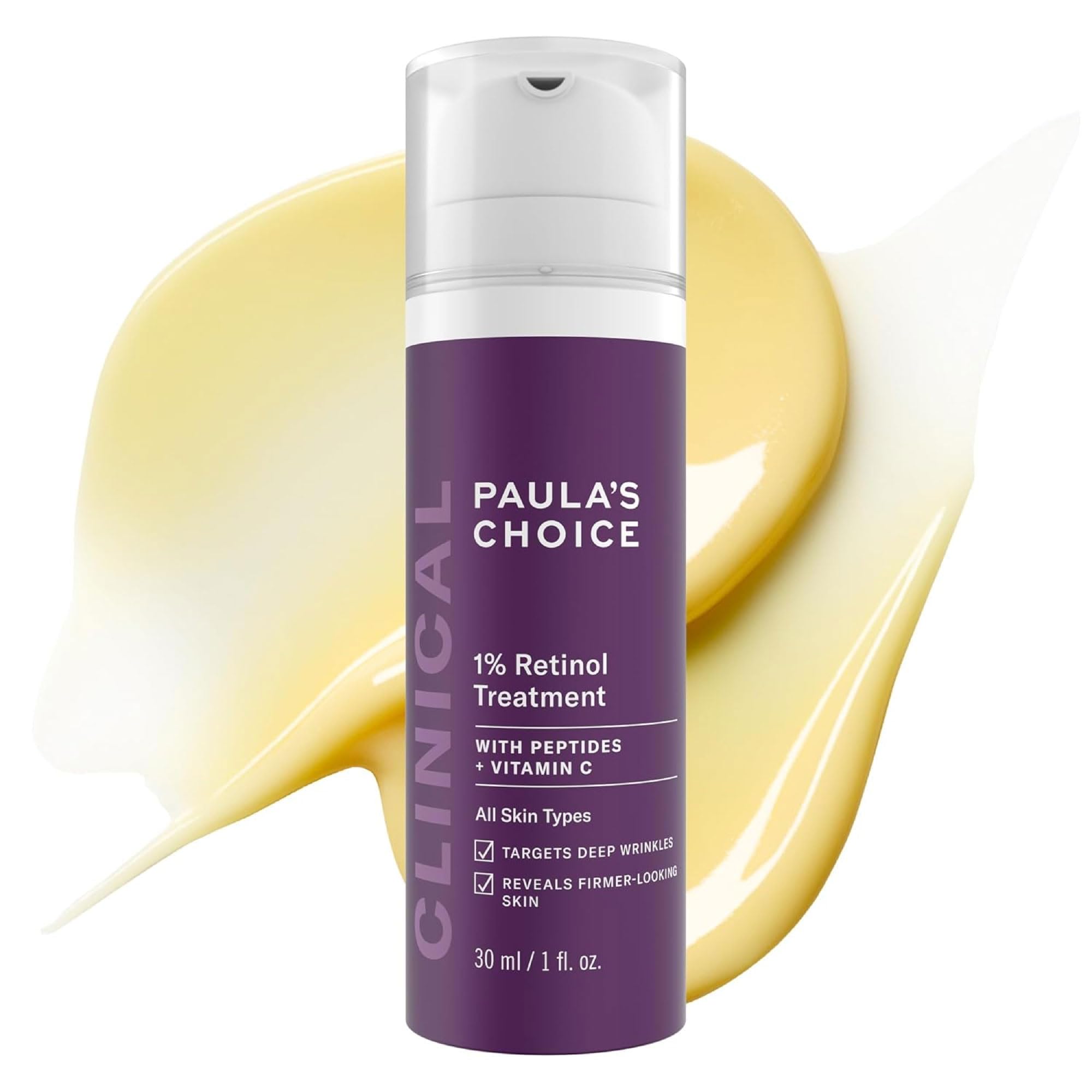
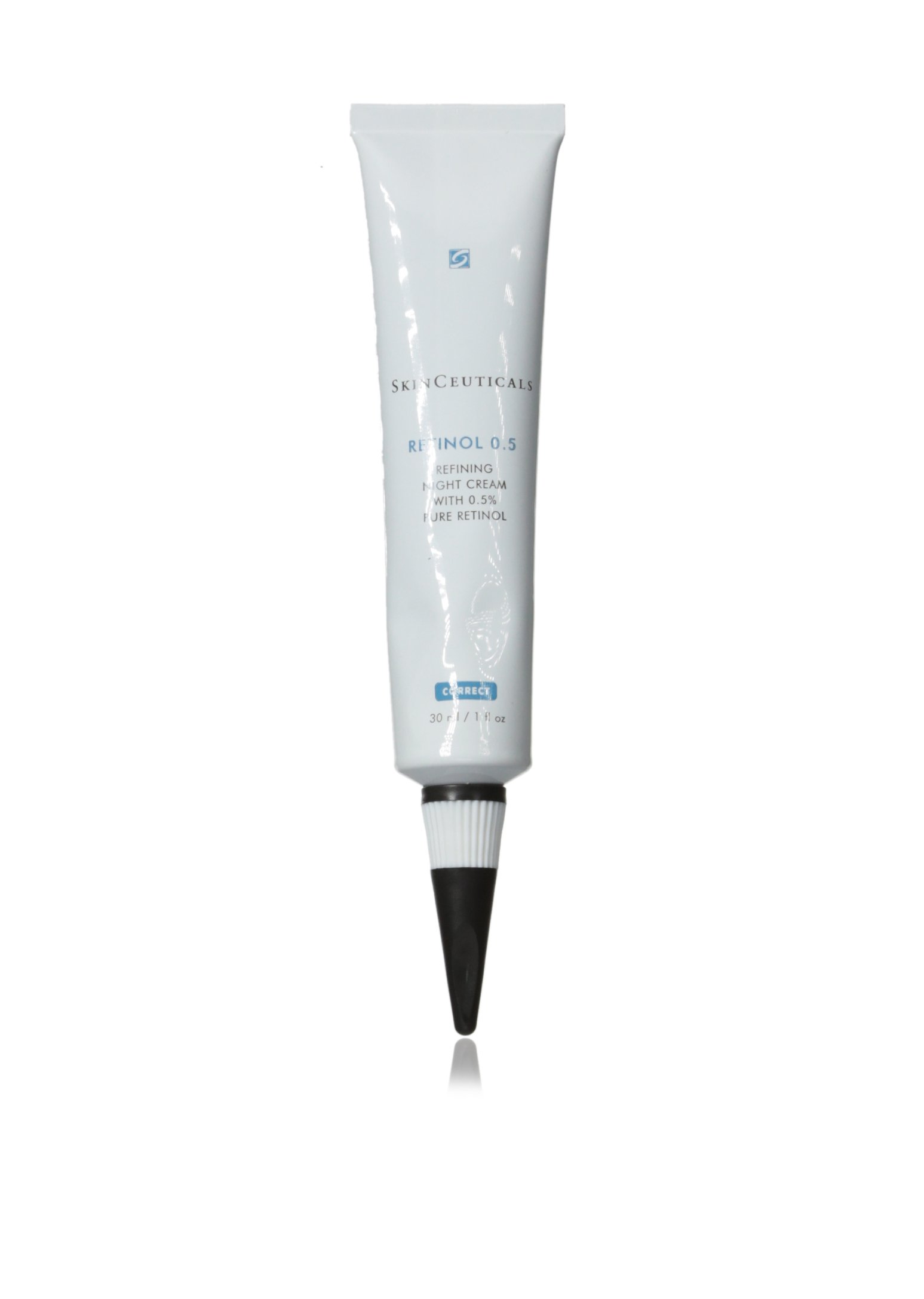
What is Retinol?
Retinol is a form of vitamin A and the most proven anti-ageing ingredient in skincare. It speeds up skin renewal to smooth fine lines, refine texture, fade marks and help clear breakouts. It is powerful - which means it needs to be introduced slowly.
How Retinol works
Retinol converts in the skin to retinoic acid, which boosts cell turnover and collagen over time. That renewal is what smooths and clears skin - but it can also cause dryness and flaking at first, until your skin adjusts.
Benefits of Retinol
The best-evidenced ingredient for softening lines and supporting firmness.
Speeds renewal for smoother, more refined-looking skin.
Keeps pores clear, helping prevent and fade acne.
Gradually evens post-acne marks and uneven tone.
Is Retinol good for your skin type?
This is retinol’s primary strength.
Keeps pores clear and smooths texture.
Usually tolerates retinol well.
Start low and slow, or try encapsulated retinol or bakuchiol.
Buffer with moisturizer and build up slowly.
Retinol vs other ingredients
Retinal (retinaldehyde) is one step closer to active retinoic acid, so it works a little faster - but can be slightly more irritating. Retinol is the gentler, more common starting point.
Bakuchiol is a plant-based retinol alternative that is gentler and pregnancy-friendly, but less proven. Great for sensitive skin; retinol is stronger for results.
Tretinoin is retinoic acid - faster and stronger, but prescription-only and more irritating. Retinol is the accessible over-the-counter version.
How to use Retinol
Start two nights a week, on dry skin, a pea-sized amount, PM only. Buffer with moisturizer if needed and build up as tolerated. Always wear SPF the next day - retinol makes skin more sun-sensitive. Avoid during pregnancy and breastfeeding.
Can you combine Retinol with other actives?
- With Niacinamide / hydrators. Yes - pair retinol with niacinamide, hyaluronic acid or ceramides to offset dryness.
- With Vitamin C. Usually vitamin C in the morning, retinol at night - using both at once can irritate.
- With Acids (AHA/BHA). Be cautious - combining strong exfoliants with retinol can over-irritate. Alternate nights.
Side effects & safety
Expect some dryness, flaking or redness while adjusting (usually a few weeks). Introduce slowly to minimise it. Not recommended during pregnancy or breastfeeding. Always use SPF. General information, not medical advice.