
It is a different problem with the same name
Teenage acne is mostly a volume problem: a lot of oil, in a lot of places, all at once. Adult acne behaves differently. It tends to sit along the jaw and lower face, it shows up as fewer but deeper spots, and it often appears on skin that is simultaneously dry or tight elsewhere.
That last part matters, because the standard teenage advice, wash more, dry it out, use something strong, makes adult acne worse in most cases. You end up with a damaged barrier and the spots.
What tends to be behind it
- Stress and sleep. Not a cliché. Cortisol raises oil production and slows healing, which is why a bad month at work shows up on your face two weeks later.
- Barrier damage. Over-washing, harsh cleansers, daily shaving. Damaged skin becomes both drier and more prone to breakouts.
- Product build-up. Heavy hair products migrate to the forehead and hairline. If your breakouts cluster there, look at what is in your hair before what is on your face.
- Doing too much. Panic-buying five acne products at once is the single most common way to turn a mild problem into an inflamed one.
What usually helps
Simplify first. A gentle cleanser, a light moisturiser, sunscreen. Two weeks of that alone often calms things enough to see what you are actually dealing with.
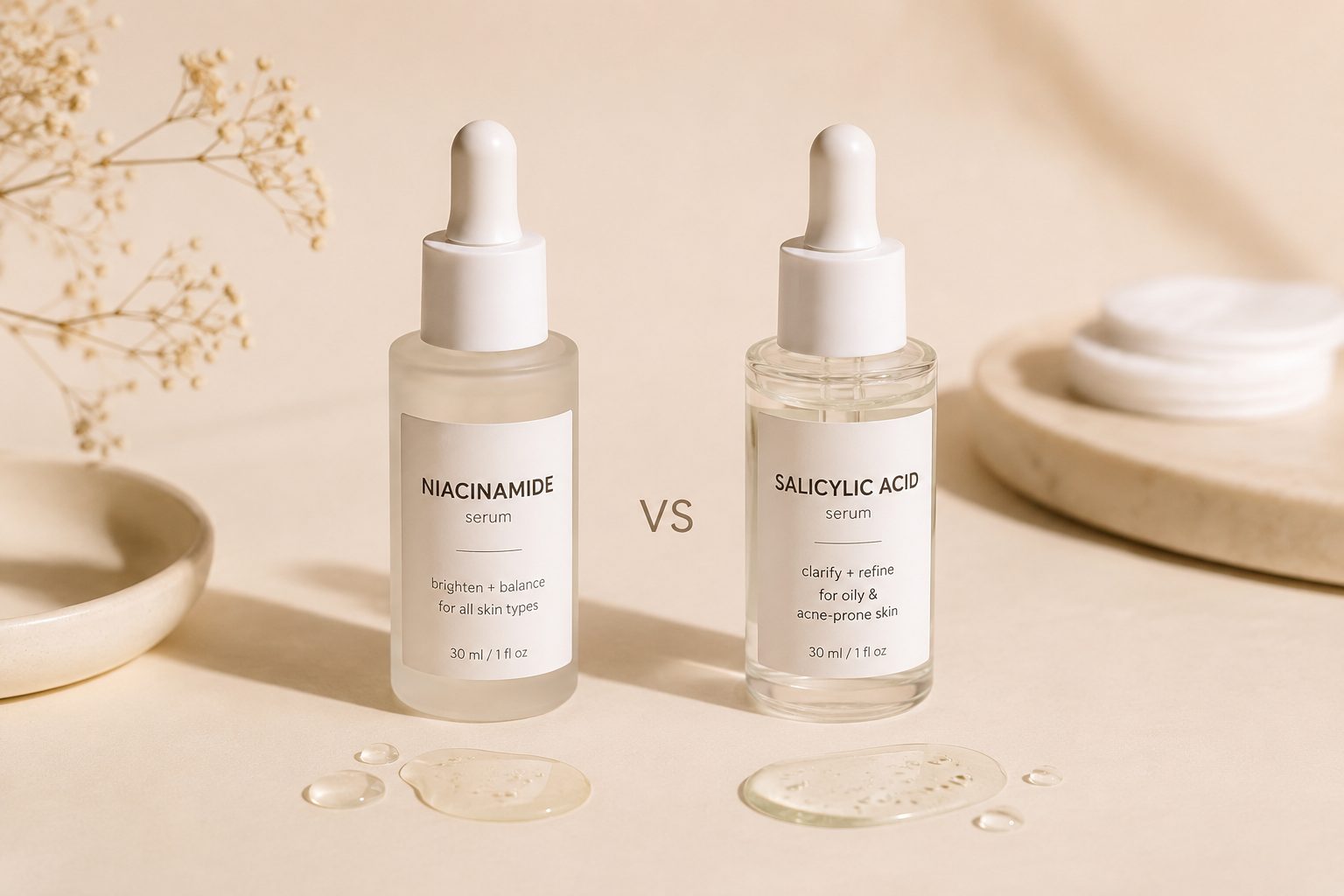
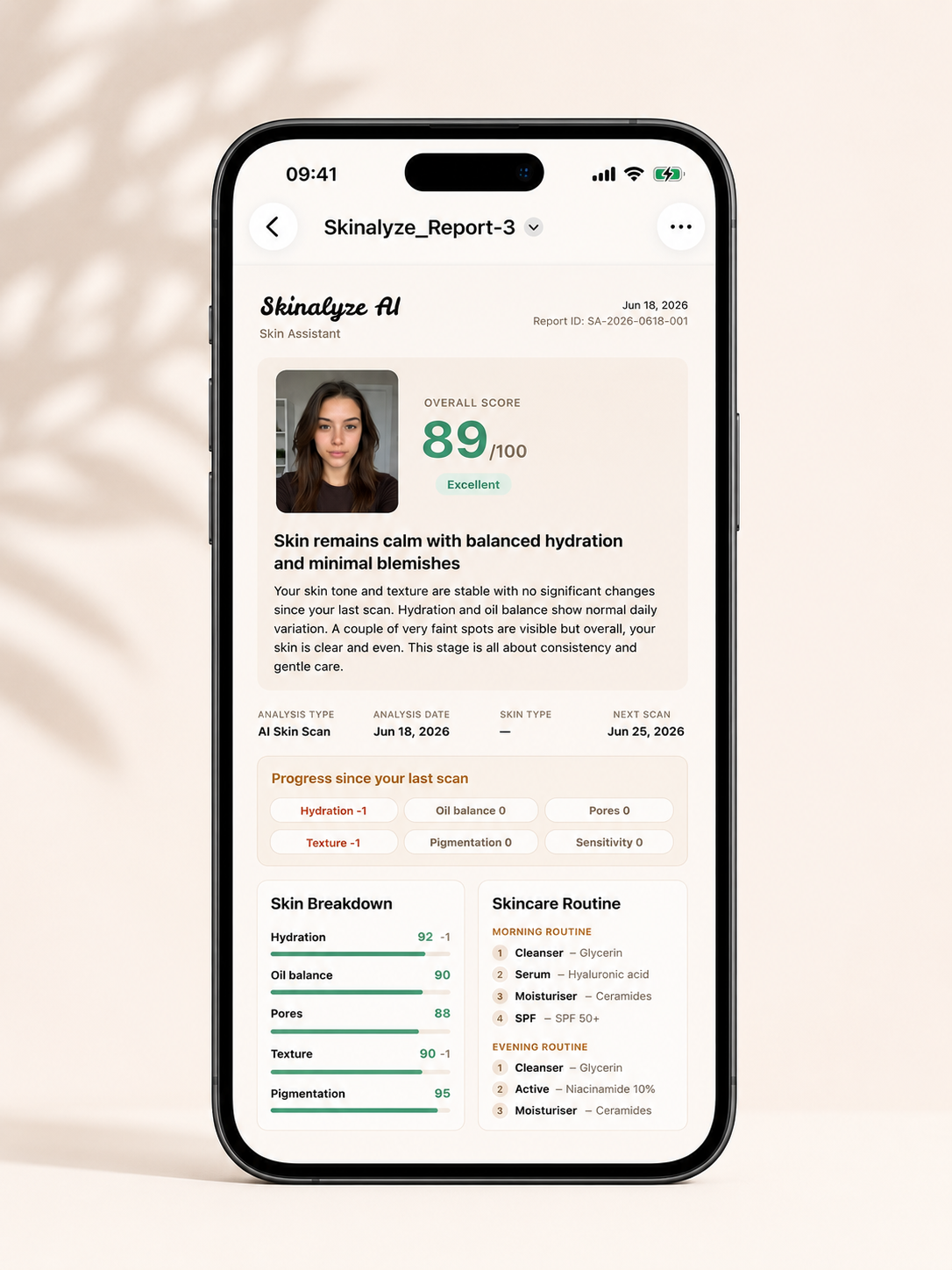
Then add one targeted thing and give it six weeks. Salicylic acid suits clogged pores and blackheads. Niacinamide suits redness and oil balance. Benzoyl peroxide suits inflamed spots. Changing three things at once means learning nothing.
Marks left behind after a spot clears are not scars, and they are not treated the same way as active acne. They fade, slowly, and sunscreen speeds it up more than any brightening serum.
When to see a doctor
Deep, painful lumps under the skin that last for weeks do not respond to anything on a shop shelf and can leave real scars. That is a dermatologist visit, and the earlier the better.